Then Before Now Home

Category

Finance

24 articles

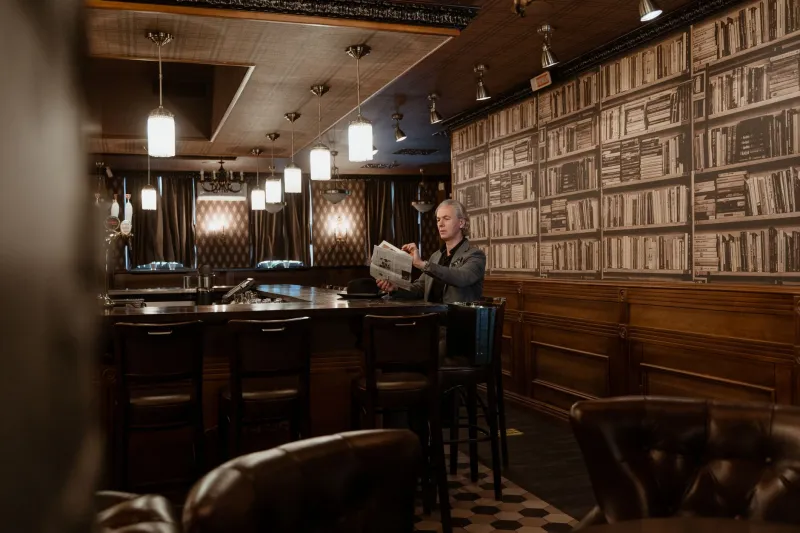
You Had to Know Someone Just to Borrow a Book: The Class Divide That Libraries Erased Forever

You Had to Know Someone Just to Borrow a Book: The Class Divide That Libraries Erased Forever

Before Andrew Carnegie started writing checks, borrowing a book in America was a privilege reserved for the wealthy, the well-connected, or those lucky enough to afford a membership. The story of how public libraries dismantled that barrier is one of the most quietly radical chapters in American history — and it's one most of us have completely forgotten.

Save for Six Months or Go Without: What Owning a Washing Machine Actually Cost American Families

Save for Six Months or Go Without: What Owning a Washing Machine Actually Cost American Families

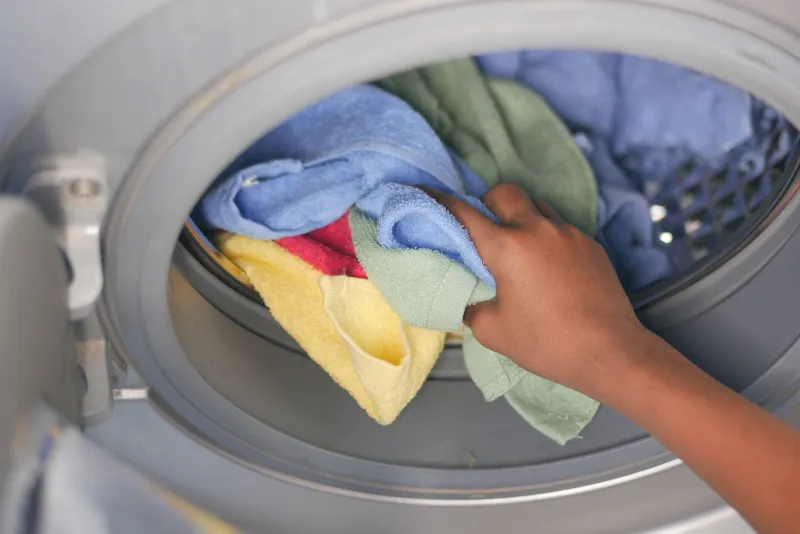
In the 1940s and 1950s, a washing machine wasn't a convenience — it was a major financial commitment that many families spent months saving toward. The story of how American households acquired their first appliances reveals a world of careful budgeting, store-owner negotiations, and genuine sacrifice that today's one-click purchasing has made almost impossible to imagine.

The Notebook That Knew Everything You Owed: When Local Business Ran on Trust and Ink

The milkman knew your order by heart. The butcher remembered your tab without looking it up. And the coal merchant extended you credit through a hard winter without a single signed document. This is the story of how neighborhood commerce once ran on handwritten ledgers and mutual trust — and what we traded away when the database replaced the notebook.

The Yellow Envelope at the Door That Meant Your Life Was About to Change

The Yellow Envelope at the Door That Meant Your Life Was About to Change

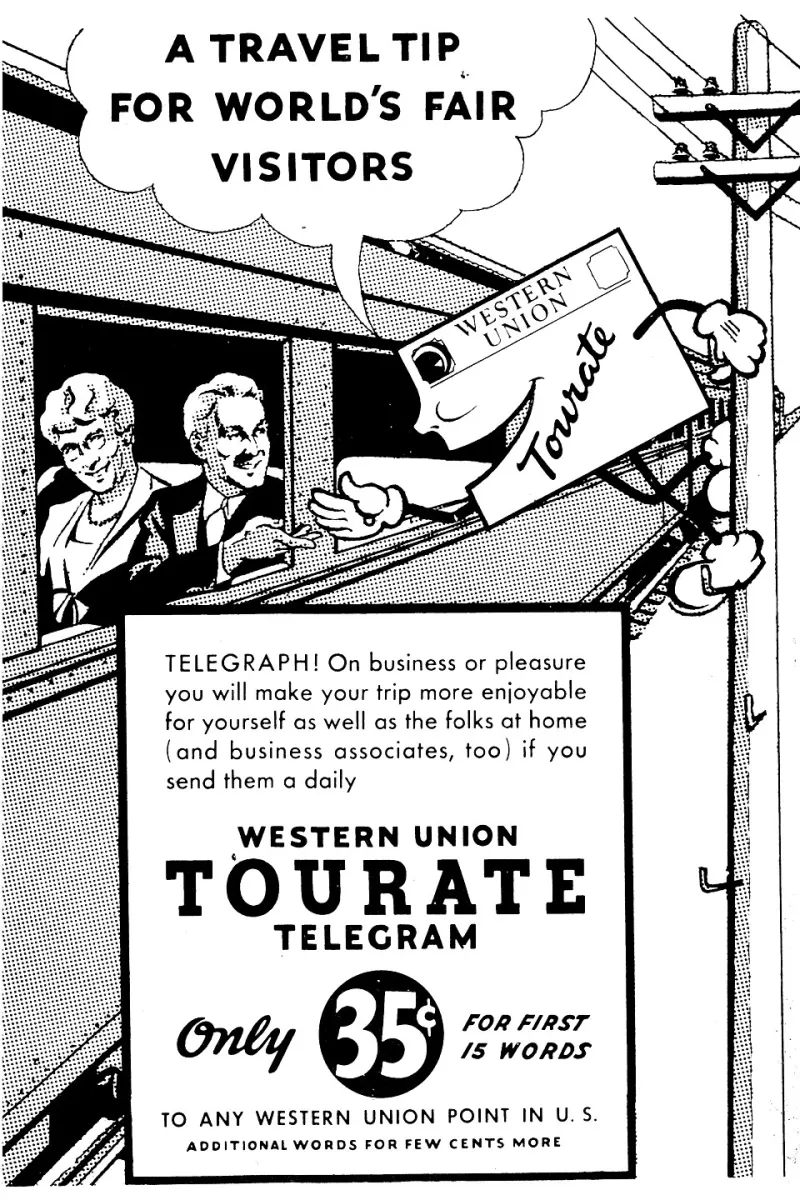
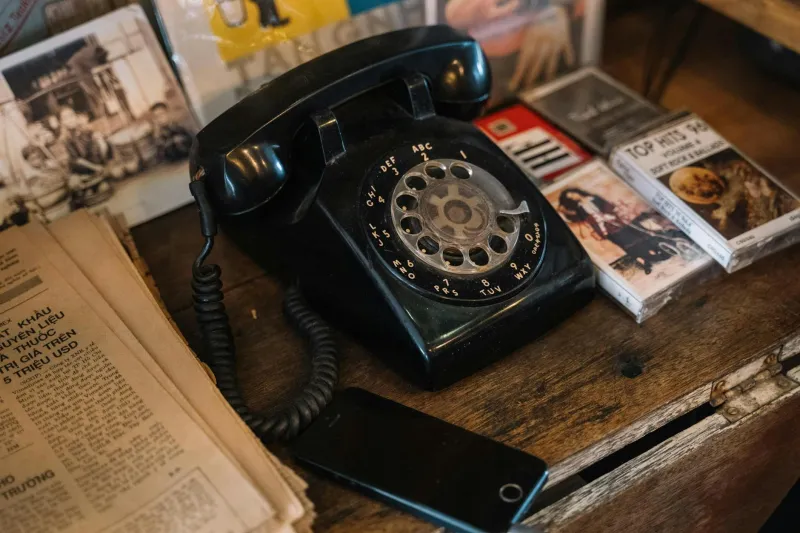
Before the notification ping, before the breaking news alert, before the text that arrives before you've even had coffee, there was a knock at the door and a boy in a uniform holding a yellow envelope. The telegram didn't just carry news — it carried weight. And the moment it arrived, everyone in the house knew that something had shifted. Understanding what we've gained and lost in the age of instant communication starts with that yellow envelope.

The Army of Strangers Who Used to Keep Your House Alive

The Army of Strangers Who Used to Keep Your House Alive

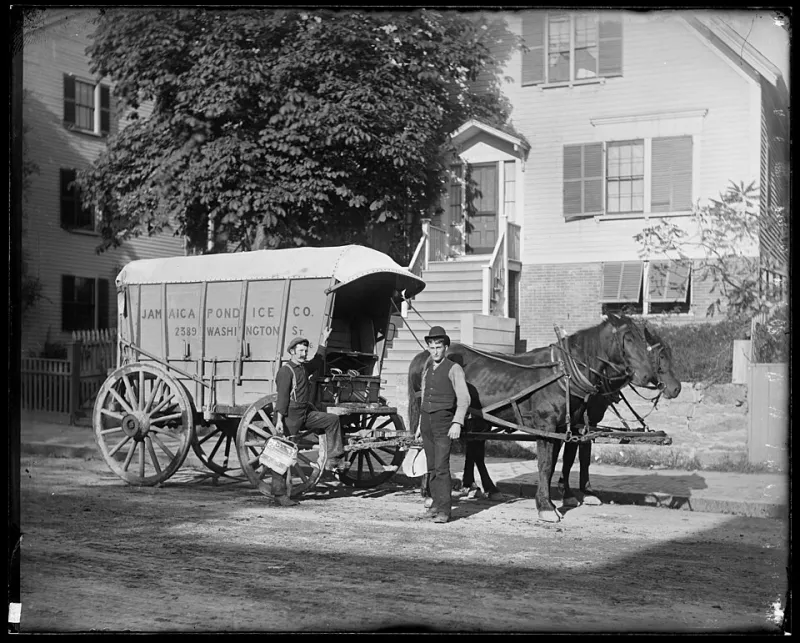
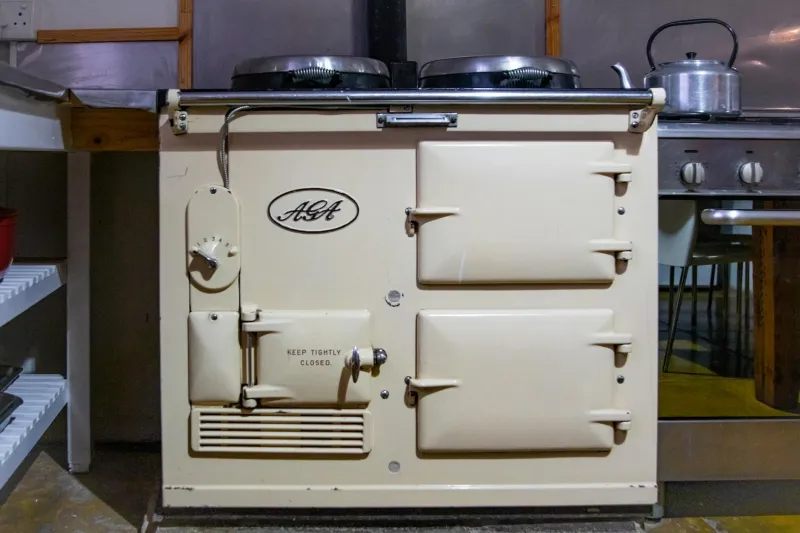
Before appliances took over, a rotating cast of tradespeople showed up at American homes every week to do the work that machines now do silently and invisibly. The iceman, the coalman, the knife sharpener — they weren't just service workers. They were the infrastructure of daily life.

Pay a Little, Wait a Lot, Own It Completely: The Quiet Wisdom of the Layaway Counter

Pay a Little, Wait a Lot, Own It Completely: The Quiet Wisdom of the Layaway Counter

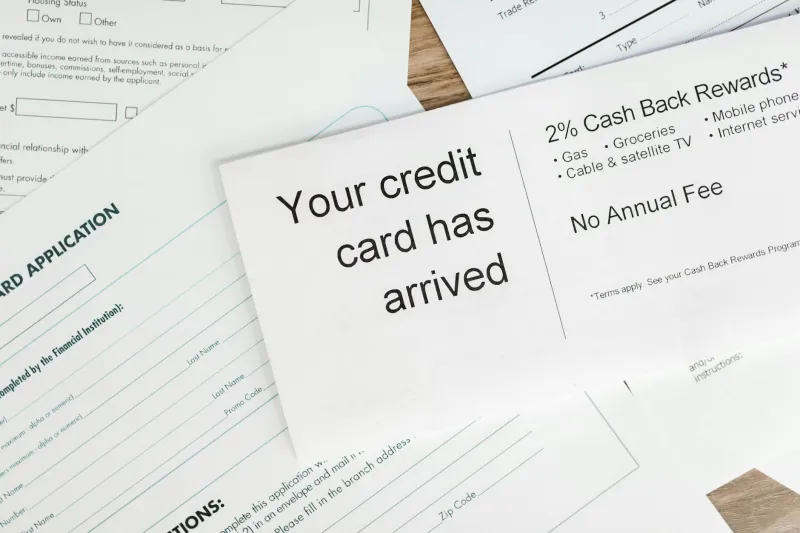
Before credit cards made everything instantly yours, the layaway counter was where ordinary American families learned patience, discipline, and the particular satisfaction of earning something slowly. You paid a little each week, the store held your item in back, and the day you finally picked it up felt like nothing else. That system is mostly gone now — and so is the lesson it quietly taught.

Walk-In Wednesdays and Handshake Hires: When Getting a Job Meant Showing Up

Walk-In Wednesdays and Handshake Hires: When Getting a Job Meant Showing Up

Before online applications and algorithmic screening, Americans found jobs by walking into businesses, asking to speak with the manager, and making an impression on the spot. This personal approach to hiring revealed character in ways that modern recruiting systems never could — but it also perpetuated biases that today's methods help eliminate.

One Night Only: When Music Vanished Into Thin Air

One Night Only: When Music Vanished Into Thin Air

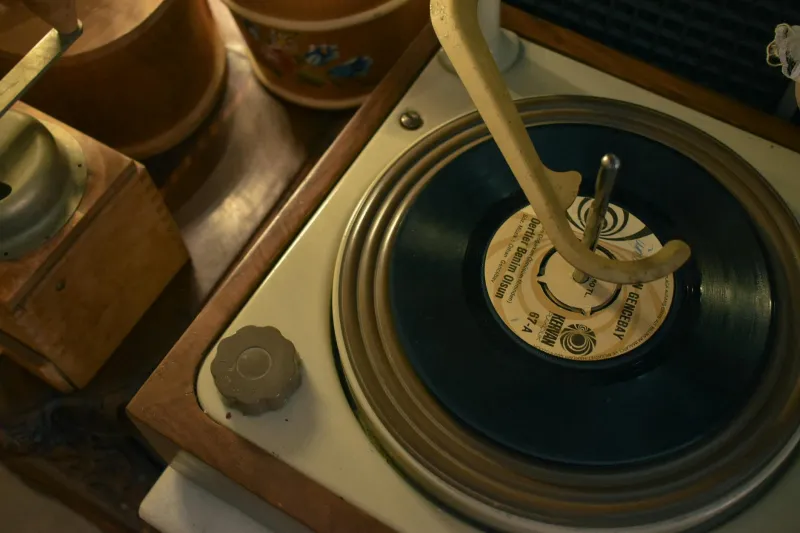
Before Edison's phonograph, the greatest musical performances in human history simply disappeared the moment they ended. Most Americans lived entire lifetimes without hearing professional musicians, making music one of the rarest and most precious commodities imaginable.