Walk-In Wednesdays and Handshake Hires: When Getting a Job Meant Showing Up

The Wednesday Morning Walk-In
Every Wednesday morning in 1967, Jim Patterson put on his best shirt, grabbed a stack of handwritten resumes, and walked down Main Street in his Ohio hometown. He wasn't following up on online applications or responding to LinkedIn messages. He was doing what job seekers had done for generations: showing up, asking to speak with the manager, and hoping to make a good impression.
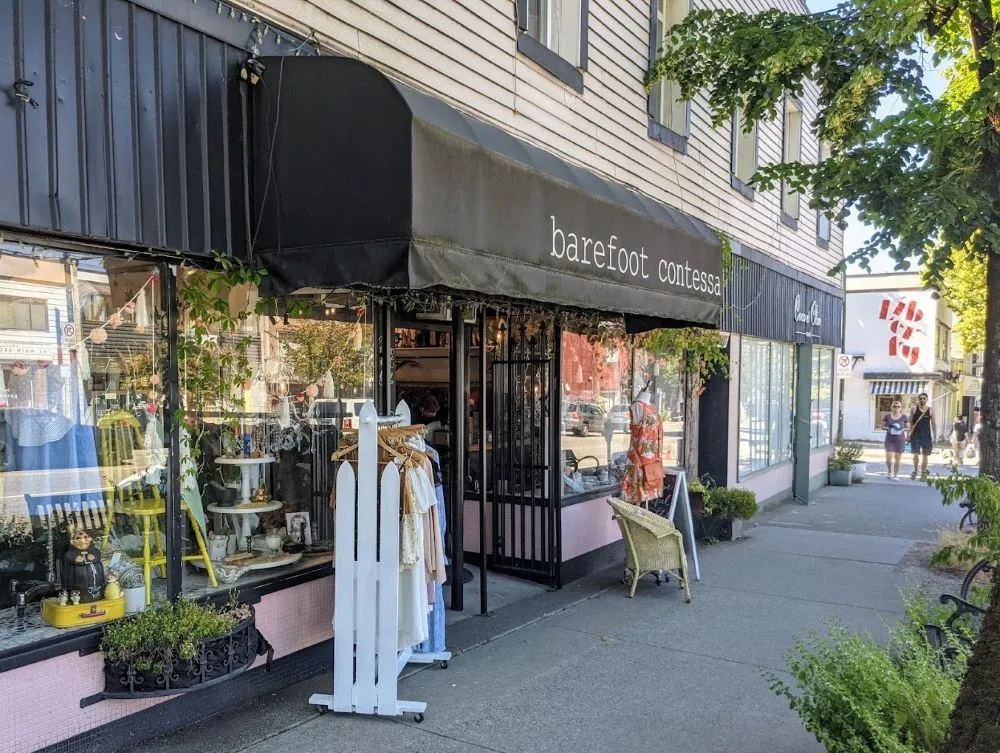 Photo: Main Street, via vancouverguardian.com
By noon, Jim had visited twelve businesses. He'd shaken hands with eight managers, been invited to sit down for impromptu interviews at three companies, and walked out with a job offer from Peterson's Hardware — all because the owner liked his firm handshake and the way he looked him in the eye when they talked.
 Photo: Peterson's Hardware, via static.wixstatic.com
This wasn't an unusual story. This was simply how most Americans found work.
The Art of the Cold Call
In the pre-digital era, job hunting was a physical activity. Help wanted signs in store windows served as the primary job board. The classified section of the Sunday newspaper contained a week's worth of opportunities, but many of the best positions were never advertised at all. They went to people who had the initiative to walk in and ask.
The process required courage that modern job seekers rarely need to summon. Walking into a business and asking to speak with the hiring manager meant facing immediate rejection — or immediate opportunity. There was no hiding behind a carefully crafted email or polished LinkedIn profile. Your personality, appearance, and communication skills were on display from the moment you walked through the door.
When Personality Trumped Pedigree
Employers in the 1960s and 1970s often hired based on gut instinct and personal interaction rather than credentials and keywords. A high school graduate who demonstrated enthusiasm and reliability could compete directly with college graduates. Skills could be taught; character was what mattered.
Managers made hiring decisions quickly, sometimes on the spot. If someone impressed them during an unscheduled visit, they might offer a position before the candidate left the building. This immediacy created opportunities for people who interviewed well but might not have looked impressive on paper.
The flip side was equally true: qualified candidates who were shy, nervous, or simply had an off day could be dismissed within minutes, regardless of their actual abilities.
The Resume That Fit on One Page
Job seekers carried simple, one-page resumes that listed basic information: name, address, phone number, work experience, and sometimes a brief objective statement. There were no complex formatting requirements, no keywords to optimize for applicant tracking systems, and no need to tailor each resume for specific positions.
Many successful hires happened without resumes at all. A strong recommendation from a current employee, a brief conversation that revealed relevant experience, or simply being in the right place at the right time could lead to immediate employment.
The Network of Neighbors
Job searching was deeply connected to local communities. People found work through their neighbors, church members, and family friends. A recommendation from someone the employer knew and trusted carried enormous weight — sometimes more than any formal qualification.
This system created opportunities for people who were well-connected in their communities but also systematically excluded those who weren't. If your family didn't know the right people, or if you were new to town, finding work could be significantly more challenging.
The Speed of Human Decision-Making
Without layers of HR screening, background checks that took weeks, and multiple rounds of interviews, the hiring process moved quickly. Someone could be unemployed on Monday and starting a new job on Wednesday. Employers made decisions based on limited information, but they made them fast.
This speed benefited both employers and job seekers. Companies could fill positions quickly when they needed help, and workers could transition between jobs without extended periods of unemployment.
What We Lost in Translation
Modern hiring practices have introduced scientific rigor to what was once an entirely subjective process. Structured interviews, skills assessments, and background checks help ensure that the best-qualified candidates get hired, regardless of their ability to charm a manager during a brief conversation.
But something valuable was lost in this transition. The old system, for all its flaws, recognized that work is fundamentally about human relationships. It valued qualities like initiative, communication skills, and cultural fit — things that are difficult to measure through online applications and phone screenings.
The Bias Problem
The personal nature of traditional hiring also perpetuated significant biases. Managers hired people who looked like them, talked like them, and came from similar backgrounds. Women, minorities, and people from different socioeconomic backgrounds faced barriers that were often invisible but always present.
Modern hiring practices, while not perfect, have introduced safeguards that help level the playing field. Blind resume reviews, structured interview processes, and diversity requirements have opened opportunities for qualified candidates who might have been overlooked in the handshake era.
The Algorithm vs. The Gut
Today's job seekers navigate a complex system of online applications, keyword optimization, and algorithmic screening. Many qualified candidates are filtered out before a human ever sees their application, not because they lack skills, but because they didn't use the right words or format their resume correctly.
Yet this same system also ensures that opportunities are posted publicly, that candidates are evaluated based on consistent criteria, and that the best-qualified applicants have a fair chance regardless of who they know.
The Search for Human Connection
Some modern companies are attempting to recapture elements of the old hiring process. "Culture fit" interviews, meet-and-greet sessions, and informal networking events represent efforts to evaluate candidates as complete human beings rather than collections of skills and experiences.
Entrepreneurs and small business owners often still hire the old-fashioned way, making quick decisions based on personal interactions and gut instincts. These employers value the speed and human connection that characterized traditional hiring practices.
The Middle Ground
The ideal hiring process might combine the best of both eras: the scientific rigor and fairness of modern practices with the human connection and speed of traditional methods. Some companies are experimenting with this balance, using technology to identify qualified candidates but making final decisions based on personal interactions.
The challenge is preserving the efficiency and objectivity that modern hiring practices provide while recognizing that work is ultimately about people working together toward common goals.
Jim Patterson's Wednesday morning walk down Main Street represented a simpler time when getting a job meant showing up and making a case for yourself in person. While we can't return to that era entirely, we might benefit from remembering that behind every resume is a human being whose character, enthusiasm, and potential can't always be captured in a digital application.
Sometimes the best hire is still the person who has the courage to walk through the door and ask for a chance to prove themselves.