The Yellow Envelope at the Door That Meant Your Life Was About to Change
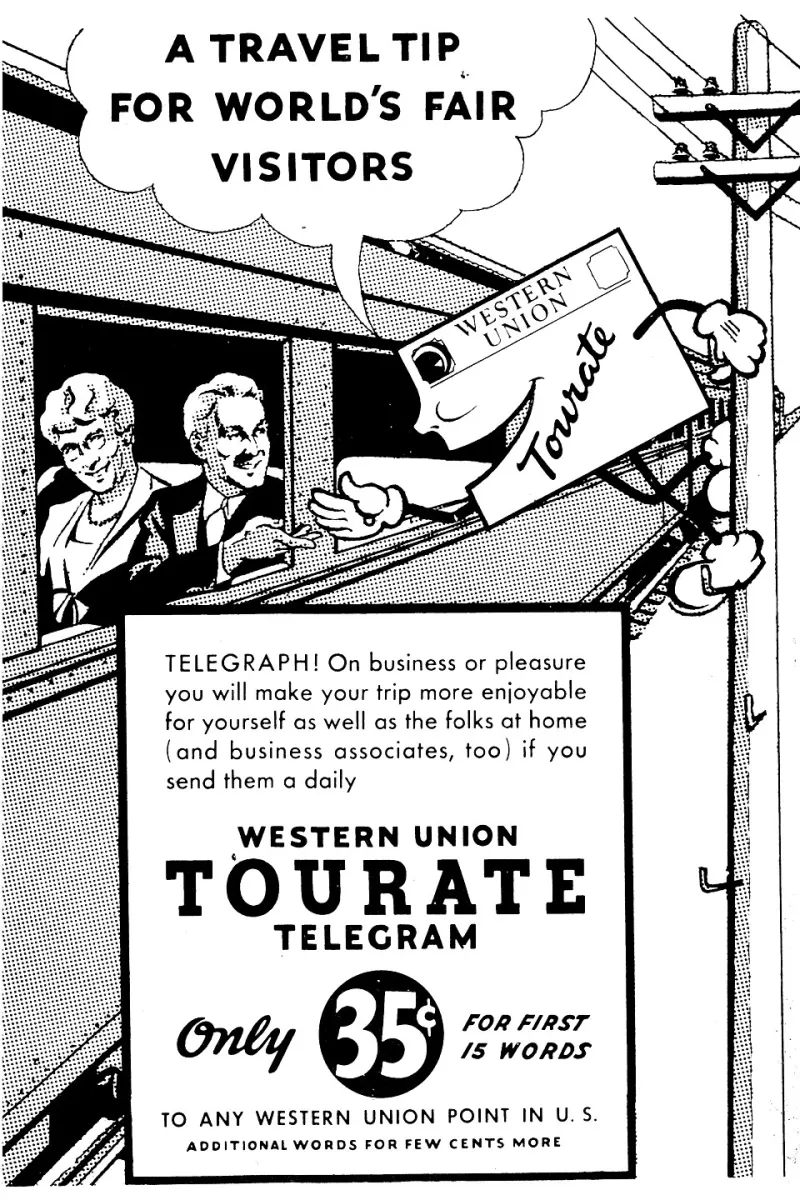
Photo: Western Union Company, Public domain, via Wikimedia Commons
You heard the knock and you already knew it was different. The mailman didn't knock — he left things in the box. A knock in the middle of the afternoon, sharp and deliberate, meant something specific. It meant Western Union.
 Photo: Western Union, via logos-world.net
Families across America, for the better part of a century, understood that knock the way we now understand a certain kind of silence on a phone call. It meant pay attention. It meant something has happened.
Forty Seconds of Words That Cost a Fortune
The economics of the telegram shaped everything about how it was used — and by extension, what it meant.
Sending a telegram through Western Union was charged by the word. Every syllable cost money, which meant that people thought carefully before they sent one. They stripped language down to its essential bones. They cut adjectives, dropped pleasantries, eliminated everything that wasn't absolutely necessary to convey the core message. What remained was pure signal.
"ARRIVING CHICAGO TUESDAY STOP MEET ME UNION STATION STOP JAMES"
 Photo: Union Station, via s3.amazonaws.com
"FATHER PASSED PEACEFULLY LAST NIGHT STOP COME HOME STOP MOTHER"
"DEAL CLOSED STOP CONGRATULATIONS STOP YOUR SHARE WIRED MONDAY"
The compression wasn't just a stylistic quirk — it was a financial necessity that accidentally created one of the most powerful communication forms in American history. Because every telegram was stripped to its essence, every telegram felt essential. There was no padding, no small talk, no "hope you're doing well" preamble. You got to the point because the point was all you could afford.
And when it arrived at your door, you knew — before you even opened it — that someone had paid real money to reach you right now. That alone told you something important.
The Messenger and the Moment
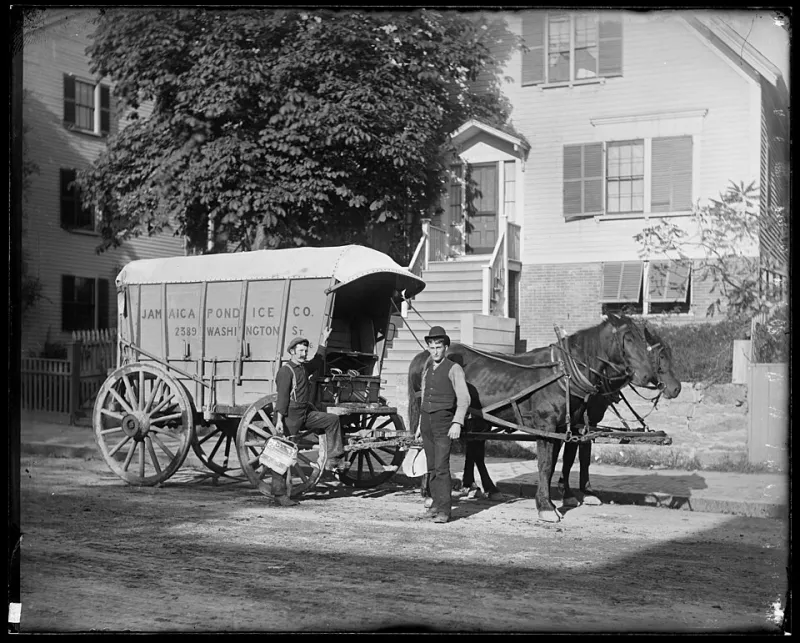
For most of the telegram's golden era, from roughly the 1870s through the 1940s, delivery was handled by a messenger — typically a teenage boy on a bicycle, wearing a uniform that made his role unmistakably official. He was not a casual visitor. He was an emissary.
In smaller towns, the Western Union messenger was a known figure, and his arrival on your street was noticed. Neighbors might glance out windows. A family dog might bark. The messenger himself often had no idea what news he carried — he was simply the last link in a chain that had started, perhaps, a thousand miles away, with someone sitting down at a telegraph office counter and carefully counting words.
The ritual of receiving the telegram had its own choreography. You signed for it. You held it. Some people didn't open it immediately — they stood in the doorway for a moment, as if the act of opening it would make whatever was inside irrevocably true. Family members gathered. Someone might sit down before reading it aloud.
That pause — that breath before the news — represented something we've almost entirely lost. The experience of receiving urgent information slowly enough to feel its weight before it hit you.
When the Telegram Became the Bearer of the Worst News
For millions of American families during World War II, the telegram became specifically associated with the most devastating possible message. The War Department used Western Union to notify next of kin of battlefield deaths, and the sight of a telegram messenger approaching a front door during wartime carried a particular dread that entire neighborhoods shared.
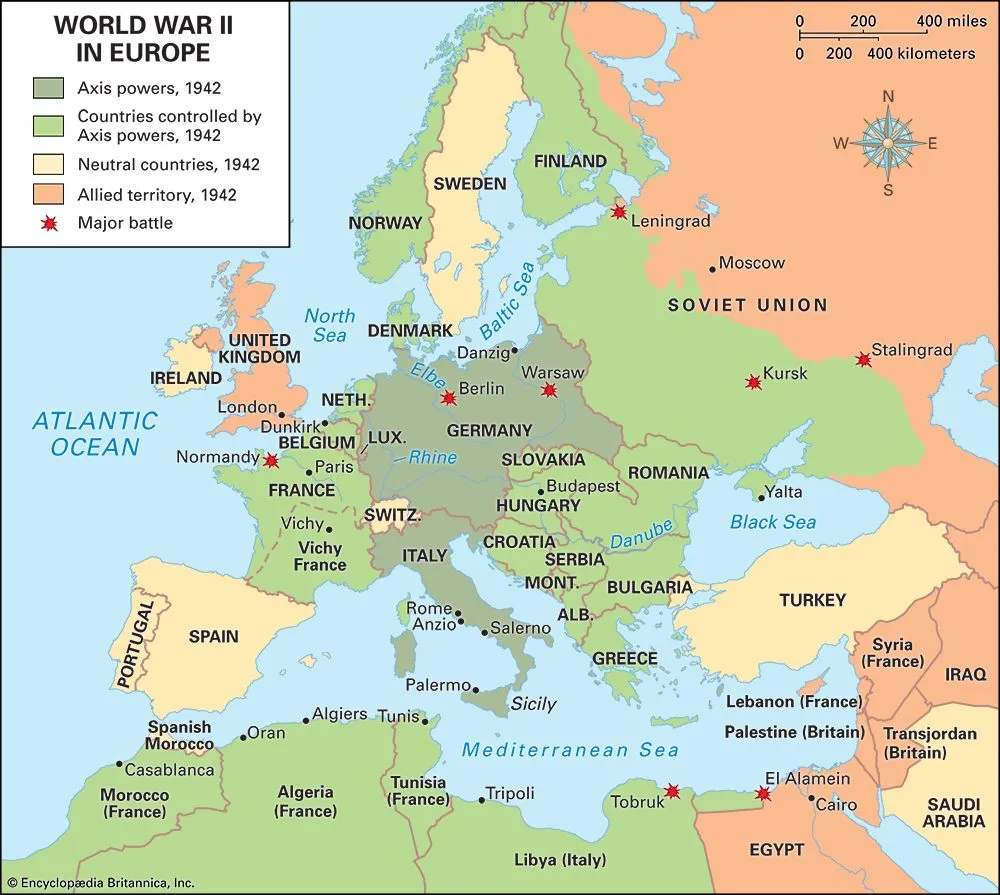 Photo: World War II, via cdn.britannica.com
Women in military towns described watching the messenger's bicycle turn down their street and holding their breath until he passed their house. If he stopped, if he came up the walk, the world changed in that instant — before the door was even opened, before the envelope was touched.
No communication technology since has carried that specific emotional charge. A text message from an unknown number doesn't produce the same physical response. An email flagged urgent doesn't make your hands shake the way a yellow envelope did. The telegram's power came partly from its rarity, and partly from the cultural understanding that it was reserved for things that couldn't wait — which meant that when it arrived, waiting was exactly what you couldn't do.
Urgency Before Everything Became Urgent
This is perhaps the most striking difference between the telegram era and the one we inhabit now: urgency used to mean something specific.
The average American smartphone user receives somewhere between 65 and 80 push notifications per day. News alerts, social media updates, promotional offers, app reminders, weather warnings, sports scores — all of them arrive with the same ping, the same visual badge, the same implicit claim on your attention. The notification system doesn't distinguish between "your favorite team just scored" and "there is a tornado warning in your county." Everything is presented with equal immediacy.
The result is a kind of urgency inflation. When everything is marked urgent, nothing feels truly urgent. We've trained ourselves to ignore notifications, to swipe them away reflexively, to feel no particular emotional response to the arrival of information that might, in another era, have required a messenger and a signed receipt.
The telegram existed in a world where communication moved slowly enough that the decision to send an urgent message was a meaningful one. You sent a telegram when something couldn't wait for a letter. And because that threshold was high — financially, logistically — the arrival of a telegram reliably meant that the threshold had been crossed. Something real had happened. Someone needed you to know right now.
The Last Telegram
Western Union sent its final telegram on January 27, 2006. The announcement itself was made quietly, almost without ceremony — fitting, perhaps, for a technology that had always been about other people's news rather than its own.
The telegram had survived the telephone, survived radio, survived fax machines and early email. It lasted longer than most people realize because it filled a specific niche: the official, documented, unmistakably serious delivery of important information. For certain legal and financial purposes, a telegram carried a weight that a phone call didn't.
But the internet eventually made even that niche obsolete. And with it went something harder to quantify — the experience of receiving news slowly enough to feel it arrive, delivered by a human being who stood at your door and waited while you signed your name.
We gained speed. We gained volume. We gained the ability to reach anyone, anywhere, instantly, for free. What we gave up was the knock that made everyone in the house go quiet — the moment before the envelope opened, when the world was still whatever it had been that morning, and you were about to find out whether it would stay that way.