Pay a Little, Wait a Lot, Own It Completely: The Quiet Wisdom of the Layaway Counter
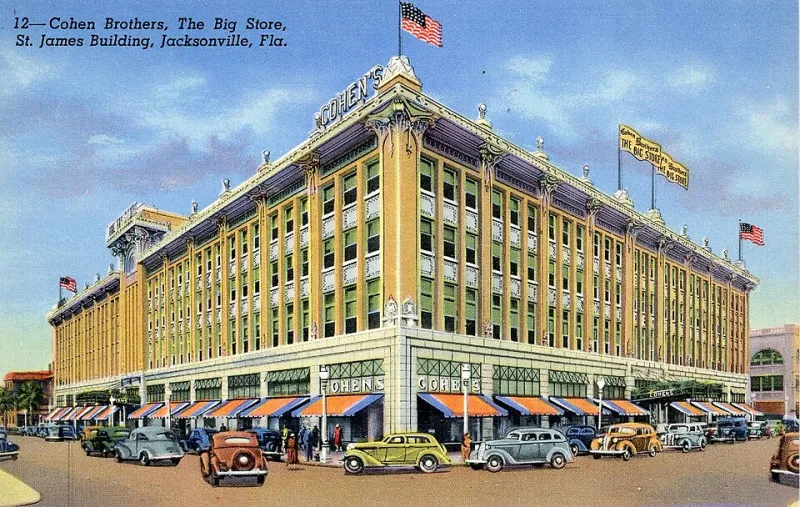
Photo: Phillip Pessar, CC BY 2.0, via Wikimedia Commons
There was a window at the back of most department stores — past the housewares, past the shoe section, past the bins of discounted bath towels — where a different kind of transaction happened. No bags were handed over. No items changed hands. You walked up, gave your name, handed over a few dollars, and walked back out with nothing but a receipt and a promise.
The layaway counter. For a significant stretch of twentieth-century American life, it was one of the most important stops a family could make.
How Layaway Actually Worked
The mechanics were simple enough. You found something you wanted — a refrigerator, a winter coat, a bicycle for Christmas, a set of school clothes for September — but couldn't afford to buy it outright. Instead of walking away or reaching for a credit card that didn't yet exist in most wallets, you made a deal with the store.
You paid a deposit, usually a small percentage of the total price. The store pulled the item from the floor and held it in a back room under your name. Each week or each payday, you came back and made another payment. When the final dollar was paid — not before — you took the item home.
No debt. No interest. No monthly statement arriving to ruin your morning. Just a slow, steady accumulation toward something you wanted badly enough to wait for.
Layaway became widespread during the Great Depression, when cash was scarce and credit was nearly nonexistent for ordinary working families. Retailers who wanted to move merchandise had to meet customers where they were financially, and layaway was the mechanism that made it work. By the postwar boom years, it was a standard feature at Sears, Kmart, Montgomery Ward, and virtually every major department store in the country.
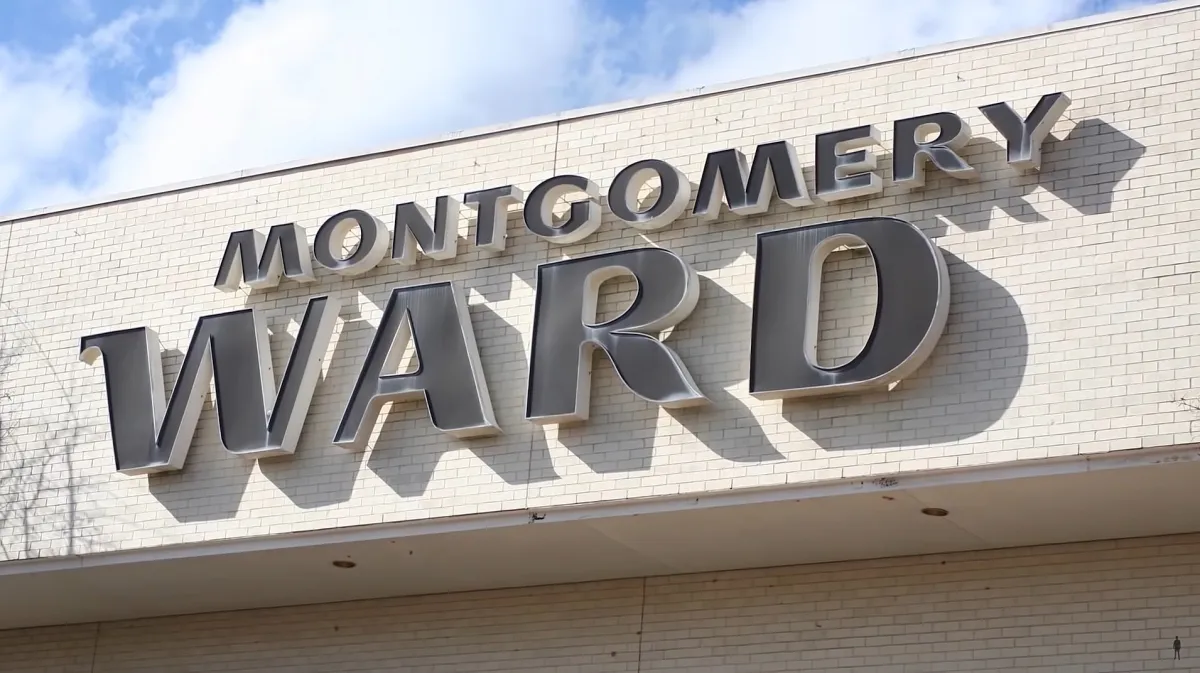 Photo: Montgomery Ward, via townsquare.media
The Ritual of the Pickup Day
Ask anyone who grew up in a family that used layaway regularly, and they'll almost always describe the pickup day with a specific kind of warmth. It wasn't like buying something impulsively. The item had been earned over months of small payments, of remembering to stop by the counter on the way home from work, of watching the balance shrink toward zero on a little card they kept in a wallet or a kitchen drawer.
The Christmas layaway pickup was its own event. Parents who had been quietly making payments since September would bring the kids in — or sometimes sneak away without them — and collect packages that had been waiting in the stockroom since fall. The transaction had been completed weeks before the holiday, with no debt attached and no January bill waiting to arrive.
There was a dignity to that process. The store held your item without judgment, without interest charges, without a credit check. You were trusted to come back and pay, and in return you were treated as a customer worth keeping. The relationship was uncomplicated in a way that modern consumer finance rarely manages to be.
What Happened When Credit Arrived
The mass adoption of consumer credit cards through the 1970s and 1980s didn't kill layaway immediately, but it began a slow erosion that eventually became a collapse. Why wait three months for something when you could walk out with it today and pay later? The logic was hard to argue with, especially when retailers began offering store credit cards with aggressive promotions and easy approvals.
By the 1990s, layaway was in retreat. Walmart eliminated its program in 2006, which felt at the time like a definitive signal that the practice had run its course. The economics of holding inventory in back rooms for months without a guaranteed sale no longer made sense when customers had easy access to credit.
What replaced layaway wasn't just a different payment method. It was a fundamentally different relationship with ownership. Credit said: you can have it now, and figure out the cost later. Layaway had said: figure out the cost first, and have it when you're ready. Those are not the same philosophy, and the switch between them had consequences that played out across decades of American household debt.
The Numbers Tell the Story
American consumer credit card debt crossed $1 trillion for the first time in 2023. The average household carrying a balance pays hundreds of dollars a year in interest — money spent on nothing, purchasing no goods, building no equity, simply servicing the cost of having wanted things before saving for them.
Layaway charged no interest. Its only real cost was time. And time, it turns out, was the thing Americans became least willing to spend as the twentieth century became the twenty-first.
The Quiet Comeback
Interestingly, layaway has seen a partial revival in recent years — driven partly by nostalgia, partly by a growing awareness of how badly revolving credit can damage household finances. Walmart quietly brought its layaway program back in 2011, specifically for the holiday season. Kmart kept a version of it running longer than most competitors. A new generation of fintech apps has essentially reinvented the concept under names like "buy now, pay over time" — though most of those versions do charge interest, which rather misses the original point.
The core idea, though, has proven more durable than anyone expected: there is a real market for a system that lets you pay gradually and take ownership only when you've genuinely earned it.
Then Before Now
The layaway counter didn't just offer a payment plan. It offered a framework — a built-in structure that enforced patience and rewarded discipline without requiring any particular willpower from the person using it. The system did the work.
When we replaced that system with instant credit, we gained enormous convenience. We also quietly lost a mechanism that had been teaching a generation of Americans, without them fully realizing it, how to want something and wait for it. That lesson turns out to be harder to learn on your own than anyone expected.