Forty-Seven Pages of Pure Power: The Little Booklet That Ran the American Living Room
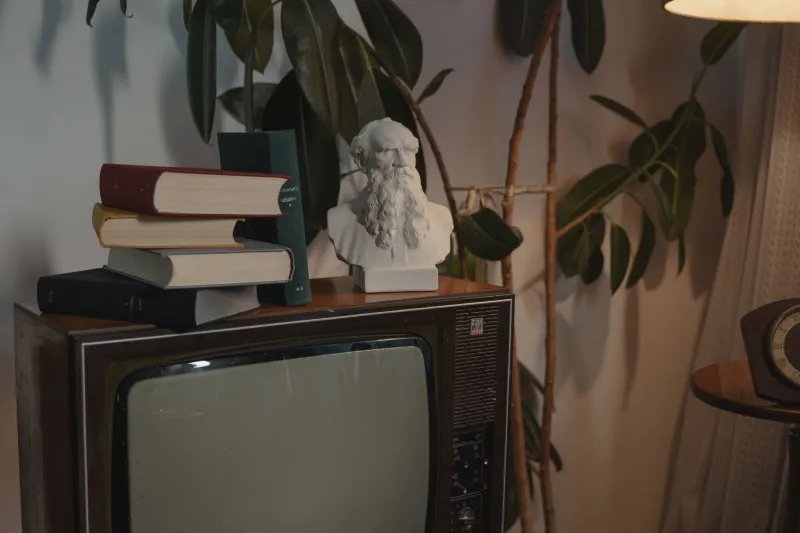
Somewhere between the couch cushions and the coffee table, tucked under a half-finished crossword or balanced on top of the remote control that didn't exist yet, lived one of the most powerful objects in the mid-century American household. It was smaller than a paperback novel, thinner than a church bulletin, and yet it held an almost constitutional authority over how an entire family spent its evenings.
The TV Guide. If you grew up before the internet, you know exactly the one.
The Weekly Arrival
For most American families from the 1950s through the 1990s, the TV Guide arrived like clockwork — tucked inside the Sunday paper or delivered separately depending on your subscription. And for a lot of households, its arrival was genuinely anticipated. Kids flipped straight to Saturday morning cartoons. Parents scanned Friday nights. Someone always grabbed it first, and someone else always complained about that.
At its peak in 1978, TV Guide was selling roughly 20 million copies a week, making it the best-selling magazine in the United States — outselling Time, Newsweek, and People combined. That number is almost impossible to process now. But it makes complete sense when you understand what the magazine actually represented: it was the only way to know what was on.
There was no other option. You couldn't ask a voice assistant. You couldn't scroll a menu on your television screen. You either had the Guide, or you sat down and flipped through channels hoping to land on something decent.
Dog-Eared and Deliberate
What's easy to forget is how much intention that process required. Watching television in 1965 or 1975 or even 1985 was not a passive experience from the start. You had to plan it. You had to know that your show was on Tuesday at 8, that the movie you wanted to see was airing Saturday at 9 but that it ran two hours and fifteen minutes so you'd need to stay up. You had to negotiate.
Families would sit down with the Guide and actually talk about what they wanted to watch that week. Mom wanted to catch The Wonderful World of Disney on Sunday. Dad had circled the Monday night game. The kids were lobbying hard for Friday. Somebody grabbed a pen and marked the important ones. Pages got folded. Covers got torn. By Thursday, the thing looked like it had survived a minor flood.
 Photo: The Wonderful World of Disney, via m.media-amazon.com
There was also the cultural weight of the cover. TV Guide covers were genuine events — a new one each week featuring the biggest stars of the moment. Getting on the cover meant you had arrived. Lucille Ball, Johnny Carson, the cast of MASH*. Collectors still pay real money for vintage issues today.
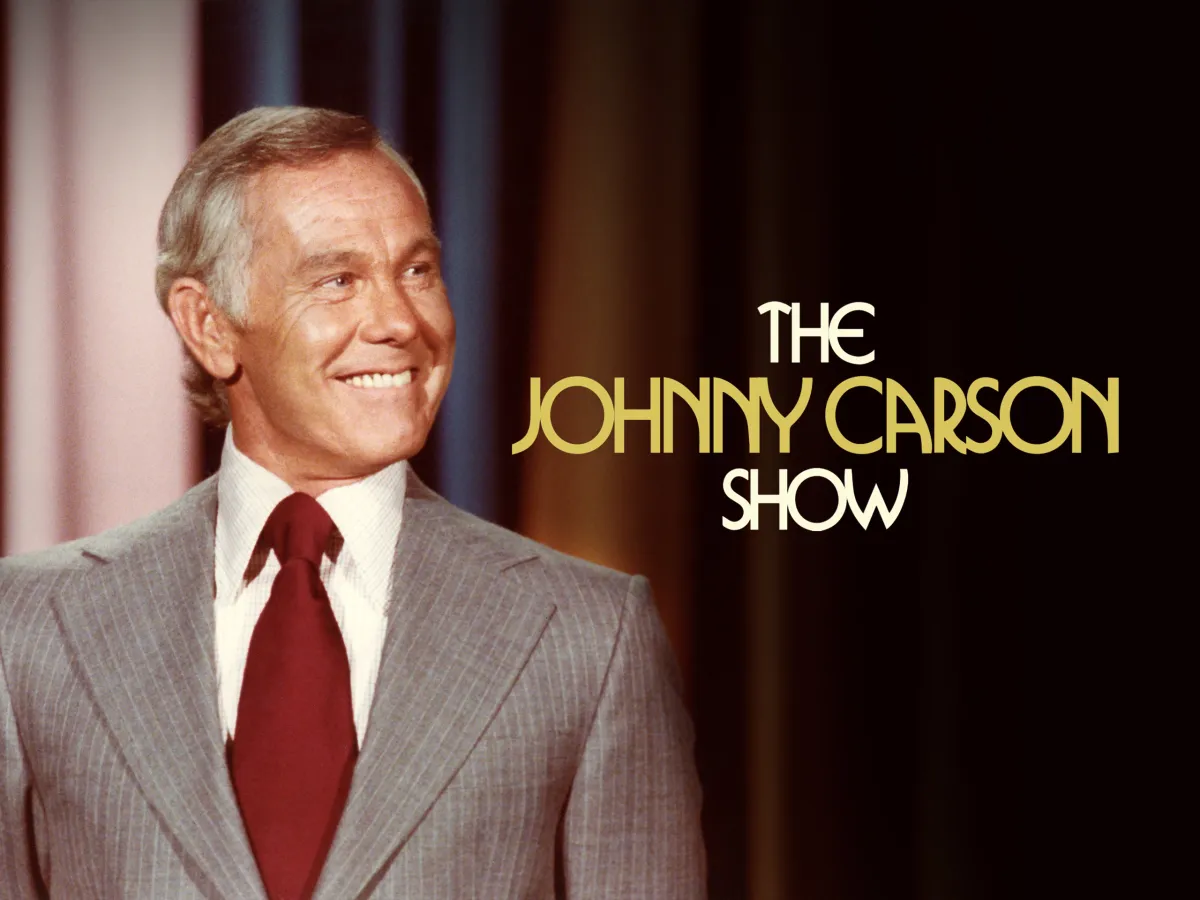 Photo: Johnny Carson, via m.media-amazon.com
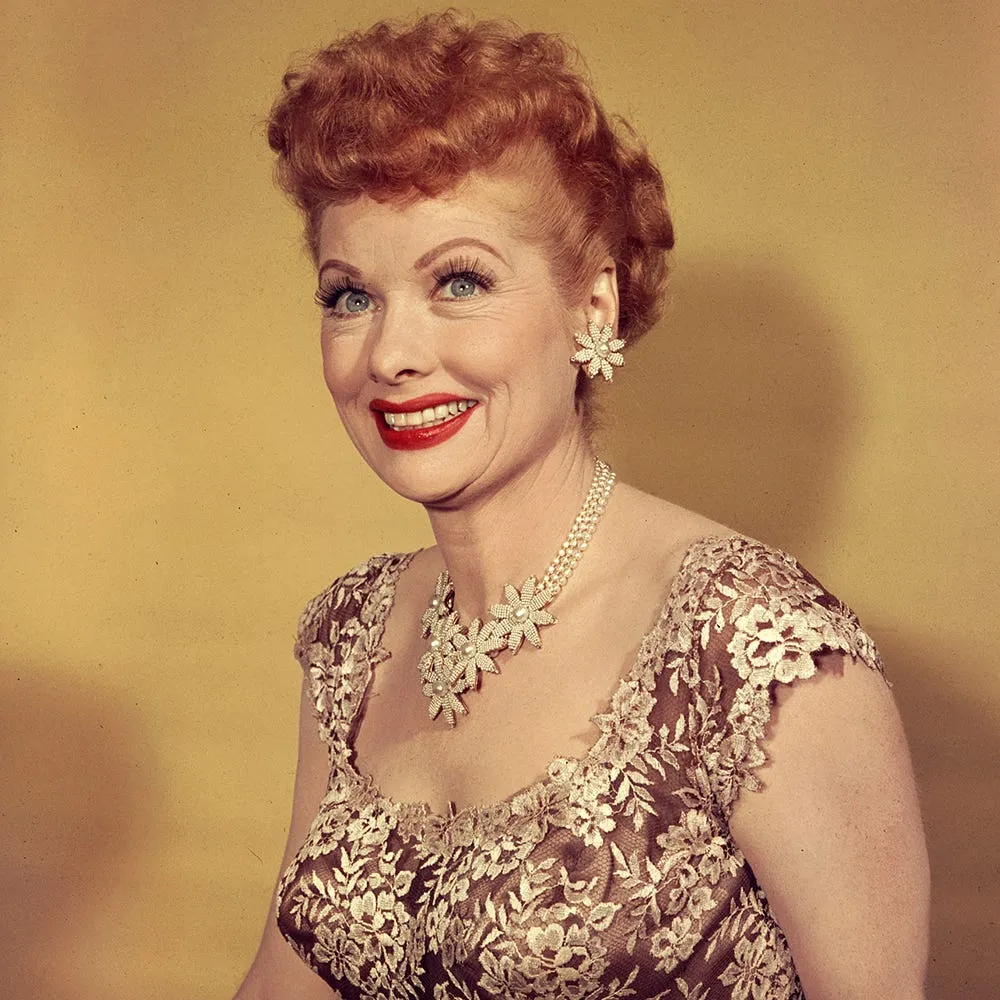 Photo: Lucille Ball, via hips.hearstapps.com
The Flip Side of Infinite Choice
Here's the part that tends to surprise people when they think about it: we have never had more access to television content than we do right now, and yet a meaningful number of Americans report that choosing what to watch has become genuinely stressful.
There's actually a name for it — decision fatigue — and streaming platforms have turned it into a nightly experience for millions of households. You open Netflix, scroll for twelve minutes, feel vaguely overwhelmed, and either put on something you've already seen or give up and go to bed. The abundance that was supposed to feel like freedom sometimes feels more like a chore.
The TV Guide era didn't give you that problem. Your choices were limited, yes — but that limitation was quietly liberating. You picked from what was available, you committed, and you watched. There was no second-guessing, no wondering if something better was one more scroll away, because there was no more scroll. You were in.
What We Actually Lost
It wasn't just convenience that disappeared when the TV Guide faded out. It was a shared cultural rhythm. When 30 million people watched the same show on the same night because it was simply what was on, it created a kind of national conversation that's genuinely hard to replicate now. The next morning at school or at the office, you could assume the person next to you had seen it too. Television was a communal experience in a way that streaming, by design, isn't.
There was also something quietly healthy about the boundaries the Guide enforced. Shows had start times and end times. When they were over, they were over. You didn't automatically roll into the next episode at midnight because the platform decided for you. You turned the set off, and you went to bed.
The ritual of planning — of sitting with a physical object and deciding how you'd spend your limited viewing hours — built a kind of intentionality around leisure time that we've largely traded away. We got convenience. We got choice. What we gave up was the simple pleasure of looking forward to something specific, knowing exactly when it was coming, and being ready for it.
Then Before Now
The TV Guide is still technically published, though today it's a shadow of what it once was — a general entertainment magazine with a fraction of its former readership. The small, digest-sized weekly schedule booklet that families fought over is long gone.
But the next time you spend twenty minutes scrolling through a streaming menu, unable to commit to anything, feeling vaguely worse than when you sat down — you might find yourself wishing for a dog-eared little booklet that just told you what was on at eight.