The Corner Druggist Who Mixed Your Medicine by Hand: When Pharmacies Were Neighborhood Institutions
The Mortar and Pestle Era
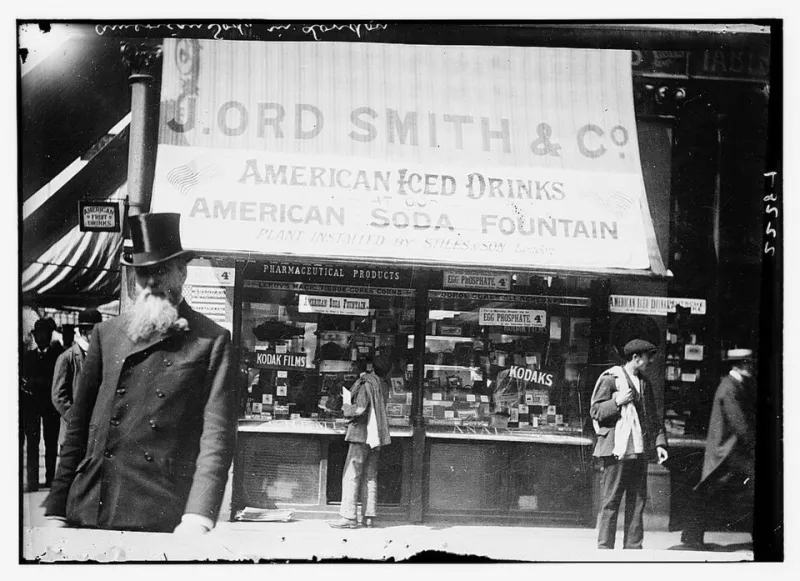
Walk into any CVS or Walgreens today, and you'll find aisles of products, fluorescent lighting, and a pharmacy counter where harried technicians process hundreds of prescriptions daily. But step back sixty years, and the American pharmacy was an entirely different institution — one where the druggist knew not just your name, but your family's medical history, your financial situation, and often your personal struggles.
In 1950s America, the neighborhood pharmacy was typically a single-proprietor business run by a licensed pharmacist who had invested his life savings into serving a specific community. These weren't corporate employees following protocols; they were small business owners whose reputation depended on the health and trust of their neighbors.
When Prescriptions Were Actually Prescriptions
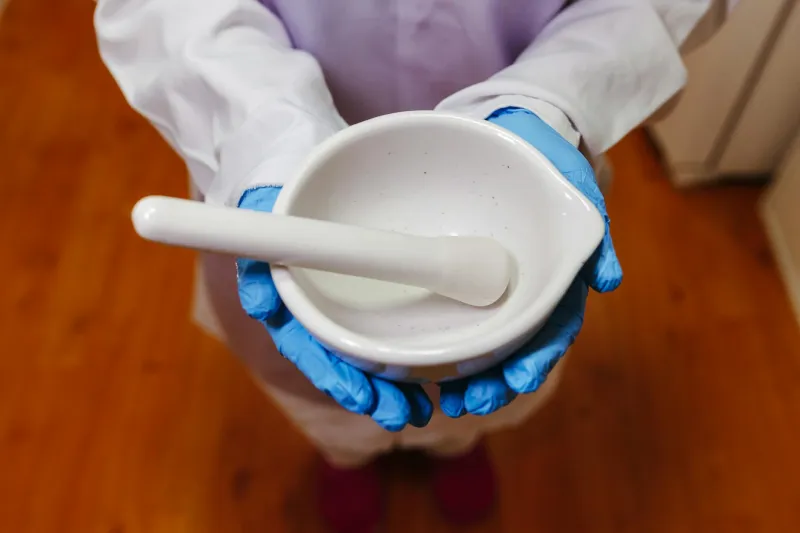
The most striking difference was how medicine itself was prepared. Today's pharmacist primarily counts pre-manufactured pills into labeled bottles. But the mid-century druggist was part chemist, part craftsman. Many prescriptions required actual compounding — mixing, grinding, and measuring raw pharmaceutical ingredients according to the doctor's specifications.
Dr. Robert Chen, now 89 and a retired pharmacist from Minneapolis, remembers spending hours each day with mortar and pestle, creating custom medications. "We made ointments, powders, liquid medicines — everything from scratch. A doctor might prescribe a specific strength of a medication that didn't exist commercially, so we'd compound it ourselves. Every prescription was unique."
 Photo: Dr. Robert Chen, via blogger.googleusercontent.com
This hands-on approach meant pharmacists understood medications in ways that today's system doesn't require. They knew how different compounds interacted, how to adjust formulations for individual patients, and how to spot potential problems before they became dangerous.
The Consultation That Came Free
Perhaps more importantly, the neighborhood druggist served as an accessible medical advisor. In an era when doctor visits were expensive and specialists rare, many Americans turned to their pharmacist for initial health guidance. This wasn't just about convenience — it was about relationship.
"Mrs. Patterson would come in every Tuesday," recalls Chen. "She had diabetes, and we'd talk about how she was feeling, whether the insulin was working right, if she was having any problems. I knew her whole family's medical situation. When her grandson got into poison ivy, she didn't call the doctor first — she called me."
This level of personal attention was economically viable because pharmacists weren't competing with massive corporate chains. A neighborhood pharmacy might serve 2,000 to 3,000 regular customers, allowing for genuine relationships to develop over years or even decades.
The Economics of Care
The financial structure of mid-century pharmacies encouraged this personal approach. Independent druggists made money not just from prescription sales, but from being trusted community health advisors. They sold medical supplies, provided health consultations, and often extended credit to families going through difficult times.
"During the polio scares of the 1950s, I remember our pharmacist staying open late to answer questions from worried parents," says Margaret Foster, 78, from Portland, Oregon. "He didn't charge extra for that time. It was just part of what the pharmacy did for the neighborhood."
 Photo: Portland, Oregon, via www.matematikvakti.net
Contrast this with today's pharmacy economics, where corporate chains optimize for volume and efficiency. Modern pharmacists might process 300-400 prescriptions per day, compared to the 50-75 that a 1950s druggist would handle. The personal consultation that was once standard is now a luxury that few pharmacies can afford to provide.
What Technology Gave and Took Away
Modern pharmacy technology has undoubtedly improved safety and convenience. Computer systems catch dangerous drug interactions, automated dispensing reduces human error, and electronic prescriptions eliminate handwriting confusion. Insurance networks have made medications more affordable for many Americans.
But something fundamental was lost in the transition. The neighborhood druggist who noticed when an elderly customer hadn't picked up their heart medication, who remembered that a particular family couldn't afford name-brand drugs, who took time to explain side effects in plain English — that figure has largely disappeared from American healthcare.
The Chain Store Revolution
The transformation began in the 1960s as pharmacy chains expanded rapidly. Corporate efficiency brought lower prices and extended hours, benefits that many customers found irresistible. But it also standardized an experience that had once been deeply personal.
Today's pharmacy technician might be competent and helpful, but they're unlikely to know your medical history, your family's financial situation, or your particular health concerns. The relationship between patient and pharmacy has become transactional rather than relational.
A Different Kind of Healthcare
The neighborhood pharmacy represented a different model of healthcare — one where accessibility and relationship mattered as much as efficiency and profit margins. It was a system that worked particularly well for routine health management and minor medical concerns, providing a bridge between home care and formal medical treatment.
While we've gained tremendous advantages in pharmaceutical safety, insurance coverage, and medication availability, we've also lost something harder to quantify: the comfort of having a healthcare professional who knew you as more than a prescription number, who understood your community's specific health challenges, and who was invested in your family's long-term wellbeing.
That personal touch, it turns out, was medicine too.