Show Up and See Where You End Up: When Flying Standby Made Air Travel an Affordable Adventure
Imagine walking up to an airline counter with nothing but a suitcase and a flexible schedule, asking "What's the cheapest flight leaving in the next few hours?" and actually getting a deal that makes spontaneous travel affordable. For anyone under 40, this scenario sounds like fantasy. But for several decades, this was exactly how millions of Americans traveled — and it was often the most economical way to see the country.
Before yield management algorithms and dynamic pricing transformed the airline industry, flying standby wasn't just possible — it was a legitimate travel strategy that rewarded flexibility with genuine bargains and turned every airport visit into an adventure.
When Gate Agents Had Real Power
In the golden age of standby travel, roughly from the 1960s through the 1980s, airline gate agents operated with a level of discretion that seems almost impossible today. They could negotiate fares on the spot, bump you up to first class if they felt like it, and make real-time decisions about who got the last seat on a popular flight.
Walk up to the American Airlines counter at Chicago O'Hare in 1975, and the conversation might go something like this: "Well, the 3:15 to Los Angeles is full, but I can get you on the 5:30 for $89, or if you're willing to wait until tomorrow morning, there's a flight to San Francisco for $65." The agent had the authority to offer these deals immediately, without checking with supervisors or consulting complex fare rules.
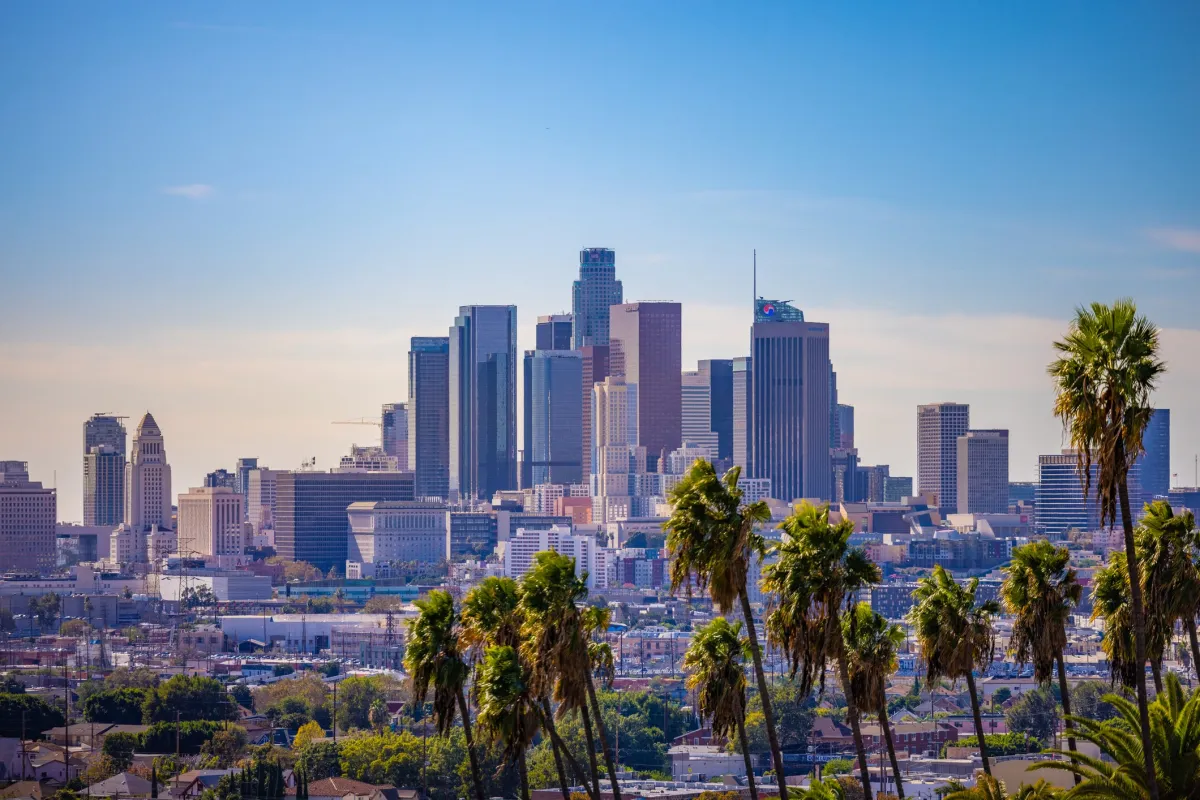 Photo: Los Angeles, via static.independent.co.uk
 Photo: Chicago O'Hare, via maps-seville.com
Contrast this with today's gate agents, who have virtually no pricing authority and work within rigid computer systems that calculate fares based on dozens of variables updated in real-time. The human element that once made last-minute travel negotiable has been replaced by algorithms that optimize revenue rather than reward spontaneity.
The Art of Airport Patience
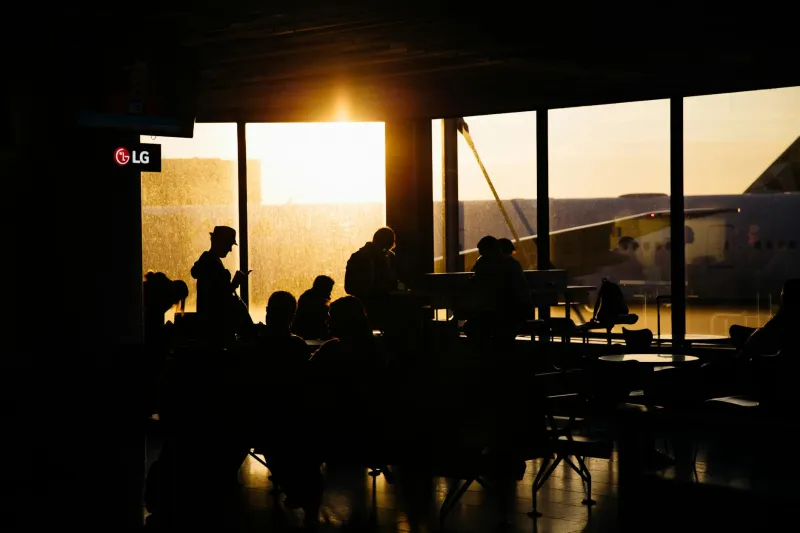
Standby travel required a completely different mindset about time and planning. You'd arrive at the airport with a general destination in mind but remain open to alternatives based on what flights had availability. The terminal became your temporary home as you waited through multiple departure times, reading paperback novels and striking up conversations with fellow standby passengers.
This waiting wasn't seen as an inconvenience — it was part of the adventure. Standby passengers developed their own informal community, sharing tips about which flights were likely to have no-shows, which gate agents were most accommodating, and which routes offered the best deals.
Modern travelers, accustomed to booking specific flights weeks in advance and tracking their aircraft's location in real-time, would find this level of uncertainty maddening. But for standby veterans, the unpredictability was half the fun. You might head to the airport planning to visit your sister in Denver and end up spending the weekend in Seattle because that's where the best deal was.
When Flexibility Actually Saved Money
The economics of standby travel seem almost backwards compared to today's pricing structure. The more flexible you were willing to be, the less you paid. Airlines had empty seats on flights that had already been scheduled, and they were happy to fill them at discounted rates rather than fly with vacant seats.
A round-trip ticket from New York to Los Angeles might cost $300 if you booked in advance and chose specific flights. But if you were willing to fly standby, you might pay $150 for the same route — less than half the price for being flexible about timing.
Today's dynamic pricing does exactly the opposite. Last-minute bookings are penalized with premium prices, and flexibility costs extra through expensive "flexible fare" options. The algorithms assume that anyone booking at the last minute must be desperate and willing to pay accordingly.
The Human Side of Air Travel
Standby travel flourished in an era when flying was still considered special, and airline employees were empowered to make decisions based on customer service rather than rigid policies. Gate agents got to know regular standby passengers and might hold a seat if they knew you were a reliable customer.
The relationship between passengers and airline staff was more personal and collaborative. Instead of the adversarial dynamic that often characterizes modern air travel — where passengers try to game the system and airlines try to extract maximum revenue — standby travel created a partnership between flexible travelers and accommodating staff.
Flight attendants might chat with standby passengers about where they were headed and why. Pilots occasionally invited interesting standby passengers to visit the cockpit during flight. The entire experience felt more like a shared adventure than a commercial transaction.
The Rise and Fall of Airline Deregulation
The golden age of standby travel coincided with airline deregulation in the late 1970s, which initially increased competition and created more opportunities for discounted travel. But the same deregulation that made standby deals possible eventually killed them off as airlines became more sophisticated about revenue management.
By the 1990s, computer systems could predict with increasing accuracy how many seats would be filled on each flight, eliminating the surplus inventory that made standby deals attractive to airlines. Revenue management became a science, with complex algorithms designed to maximize income from every seat.
The final blow came with online booking systems and the internet's transparency about flight prices. Once passengers could easily compare fares and book directly, airlines no longer needed to rely on gate agents to fill empty seats at the last minute.
What Modern Travelers Lost
Today's air travel is undeniably more predictable, efficient, and democratized than the standby era. You can book a flight from your phone, check in electronically, and track your luggage in real-time. Prices are transparent, and you know exactly what you're paying and when you'll arrive.
But in gaining predictability, we lost something valuable: the possibility of genuine adventure in air travel. Standby flying turned every trip into a story, where getting there was as interesting as being there. The journey itself became part of the vacation, filled with unexpected encounters and spontaneous decisions.
Modern "deals" on travel booking sites are really just algorithmic pricing designed to make you think you're getting a bargain while maximizing airline revenue. The genuine flexibility that once made last-minute travel affordable has been replaced by the illusion of choice among predetermined options.
The Last Gasp of Spontaneous Travel
Standby travel represented something fundamental about an earlier era of American mobility — the idea that you could just show up and see where life took you. It required patience, flexibility, and a willingness to embrace uncertainty as part of the experience.
While today's travelers enjoy greater comfort, reliability, and safety, they've largely lost the possibility of spontaneous adventure that once made flying feel magical rather than merely functional. The algorithms that now control airline pricing are designed to eliminate exactly the kind of uncertainty that once made standby travel both possible and exciting.
The next time you're paying $400 for a last-minute flight that cost $150 six weeks ago, remember that there was once a time when showing up without a reservation was the cheapest way to fly — and when the journey itself was as unpredictable and memorable as the destination.