Twenty-Five Cents and a Seat in the Dark: When Going to the Movies Meant Seeing the Whole World
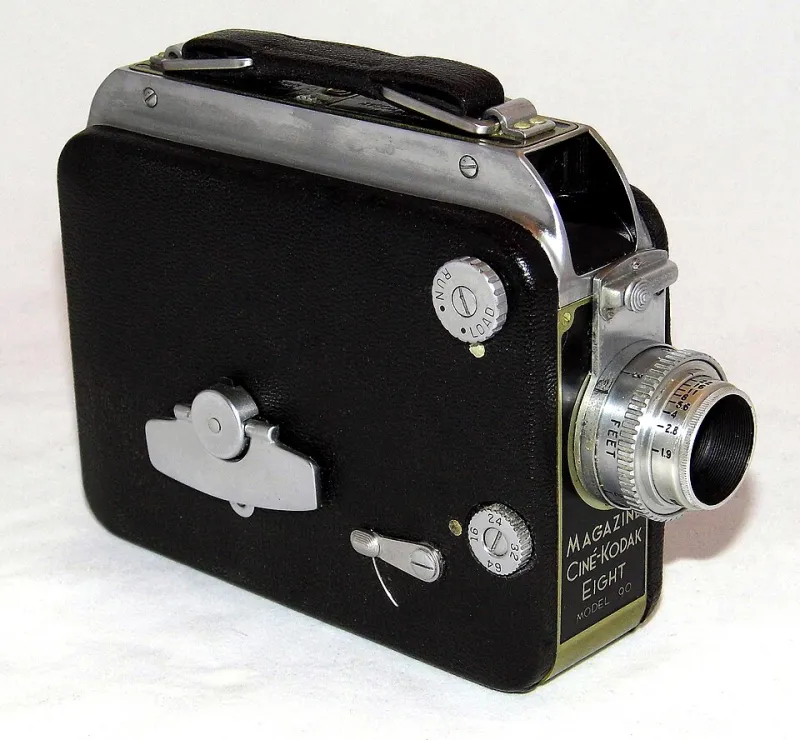
Photo: Joe Haupt from USA, CC BY-SA 2.0, via Wikimedia Commons
Imagine being twenty years old and never having seen footage of London. Never having watched film of the Egyptian pyramids, or a bullfight in Madrid, or the streets of Tokyo after the war. Not because the footage didn't exist — but because there was simply no way to reach it from a small town in Ohio or a row house in Pittsburgh.
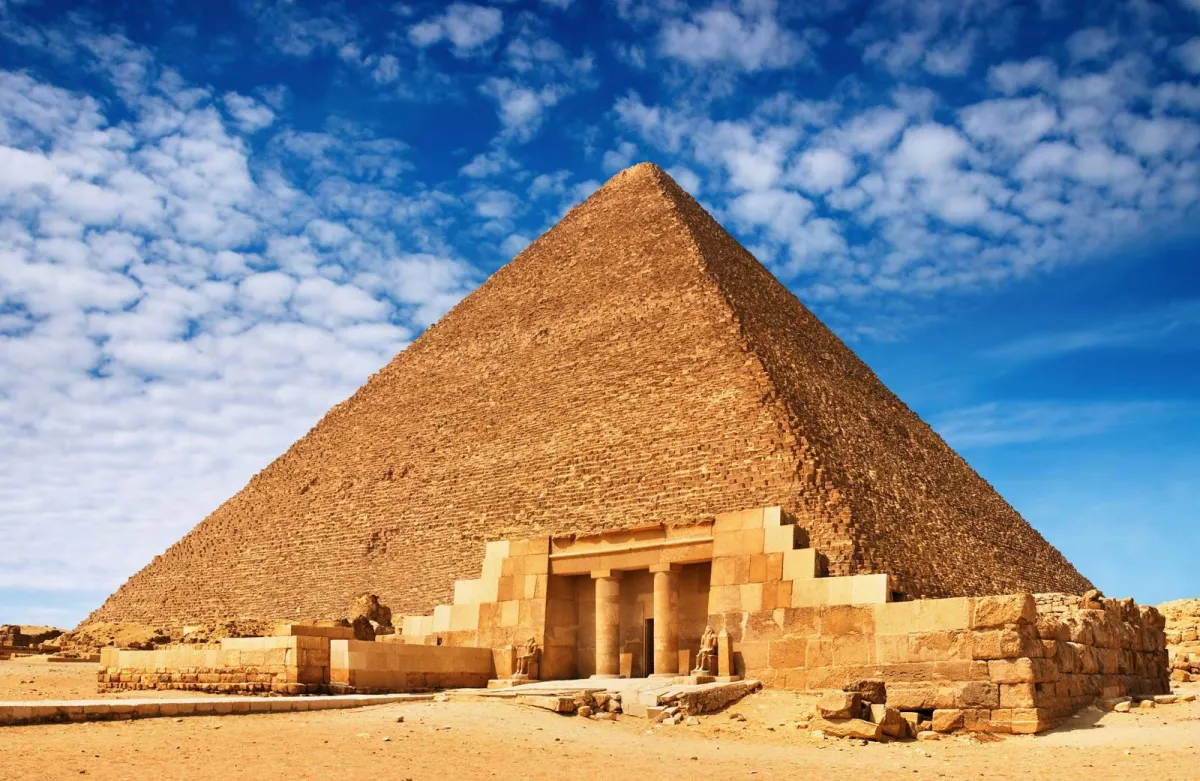 Photo: Egyptian pyramids, via cdn.britannica.com
For millions of Americans growing up between the 1930s and the early 1960s, this wasn't a thought experiment. It was ordinary life. The world beyond their immediate geography was largely theoretical — described in books, reported in newspapers, occasionally heard on the radio. But seen? That required a trip to the movies.
Before the Feature Started
Today's moviegoers sit through trailers, maybe an ad or two, and then the film begins. The format is predictable and the content is purely promotional. It wasn't always this way.
For decades, a trip to the American movie theater came with a full program before the main feature ever started. There was almost always a cartoon. Frequently a short comedy or a serial episode that continued week to week, pulling audiences back the following Saturday to find out what happened next. And then, reliably, there were two things that carried genuine weight: the newsreel and the travelogue.
Newsreels were short films — typically ten to fifteen minutes — produced by companies like Pathé, Fox Movietone, and The March of Time. They covered current events: elections, natural disasters, sporting championships, foreign conflicts, royal ceremonies. For a working-class family that couldn't afford a television set (and for many years, before television existed at all), the newsreel was the only moving image of the wider world available to them.
The travelogue was something different — slower, more atmospheric, often narrated in a voice of barely contained wonder. These short films took audiences to places that felt genuinely unreachable: the temples of Southeast Asia, the fjords of Norway, the open savannas of East Africa. They were filmed by adventurous cinematographers who went to considerable effort and expense to bring back footage that most Americans would never, ever see any other way.
The Weight of That Darkness
It's difficult now to fully reconstruct what it felt like to watch a travelogue in 1948 if you'd grown up in rural Georgia and never been farther than the state capital. The images on that screen weren't just interesting — they were, in a genuine sense, impossible. Mountains that tall. Oceans that wide. Cities that dense and strange and alive.
Audiences brought a quality of attention to those pre-feature programs that has no modern equivalent. This wasn't background content. It wasn't something playing on a second screen while you scrolled through something else. It was the only footage of Cairo you were ever going to see, and you knew it, and so you watched.
Children in particular absorbed these images with an intensity that stayed with them. Interviews with Americans who grew up in this era frequently return to specific newsreel moments — seeing footage of World War II combat for the first time, watching a coronation in Westminster Abbey, glimpsing the skyline of a city they'd only read about. These weren't just memories of movies. They were the moments the world got bigger.
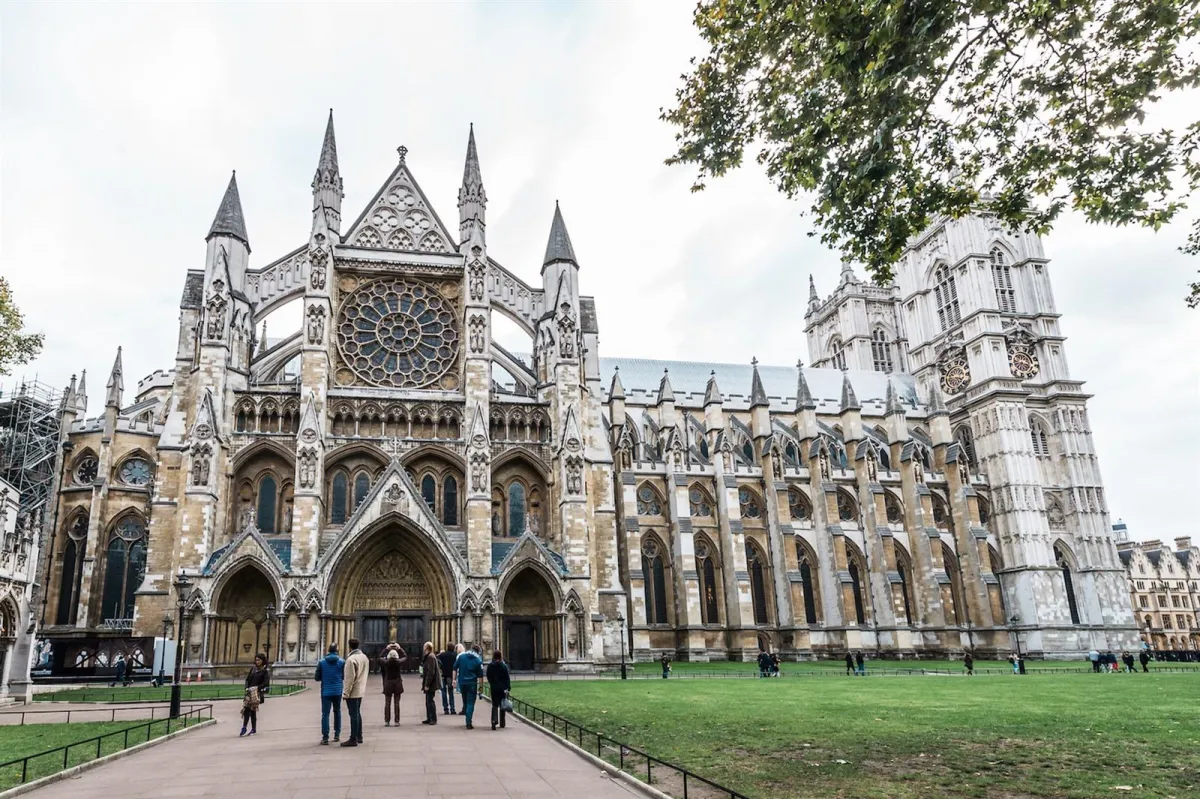 Photo: Westminster Abbey, via www.reisroutes.be
What Replaced It
Television began chipping away at the newsreel's role through the 1950s. By the time Walter Cronkite was a household name, most Americans were getting their news footage at home, nightly, for free. The theatrical newsreel became redundant and then extinct — the last major American newsreel series ended in 1967.
The travelogue survived longer in spirit, migrating to television nature documentaries and eventually to the travel programming that filled cable channels by the 1990s. But the experience was already fundamentally different: watched at home, on a small screen, surrounded by the familiar, available whenever you wanted it.
Then came the internet, and then streaming, and then YouTube, and then platforms where a seventeen-year-old in rural Mississippi can pull up 4K footage of any city on earth in about four seconds. The geographical imagination that once required a trip downtown and a quarter for admission is now a reflex, available on a phone in a back pocket.
This is, by any rational measure, an astonishing improvement in access to information and experience. The democratization of imagery — the fact that visual knowledge of the world is no longer rationed by geography, income, or the schedule of a local theater — is genuinely remarkable.
The Astonishment That Got Left Behind
But something went with the scarcity.
When footage of the Eiffel Tower is something you've seen a thousand times before you ever set foot in France, the image loses a particular charge. When any landscape on earth is available on demand, no landscape is truly foreign. The sense of genuine discovery — the feeling of the world suddenly expanding in a darkened room on a Saturday afternoon — requires a before and after that most Americans under fifty have never experienced.
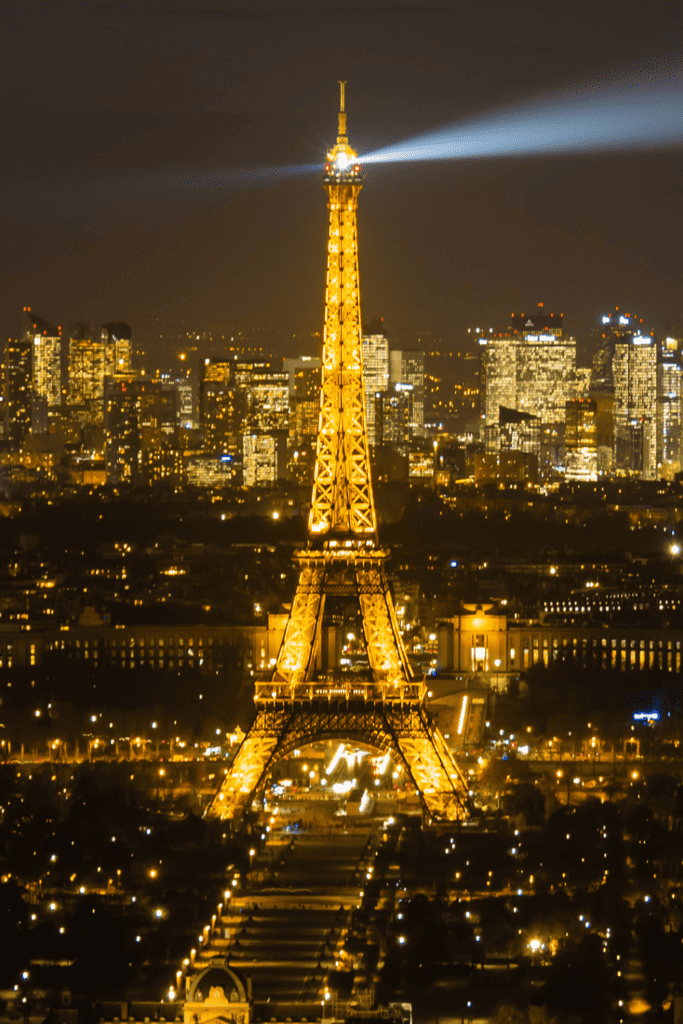 Photo: Eiffel Tower, via happinessontheway.com
The audiences who watched those travelogue shorts weren't just entertained. They were, in a specific and irreplaceable way, transported. The gap between their daily world and the images on that screen was wide enough to create real wonder. Wonder needs distance to exist. When everything is immediately available, nothing is quite far enough away.
The Saturday matinee is still out there, in various forms. The movie theater survives, changed but present. What's gone is the program that ran before the feature — and the particular quality of amazement that came from seeing somewhere extraordinary for the very first time, with no warning, in a small-town theater that smelled like popcorn and old upholstery, knowing that this flickering window was as close as you were ever likely to get.