Then Before Now Home

Category

Travel

23 articles

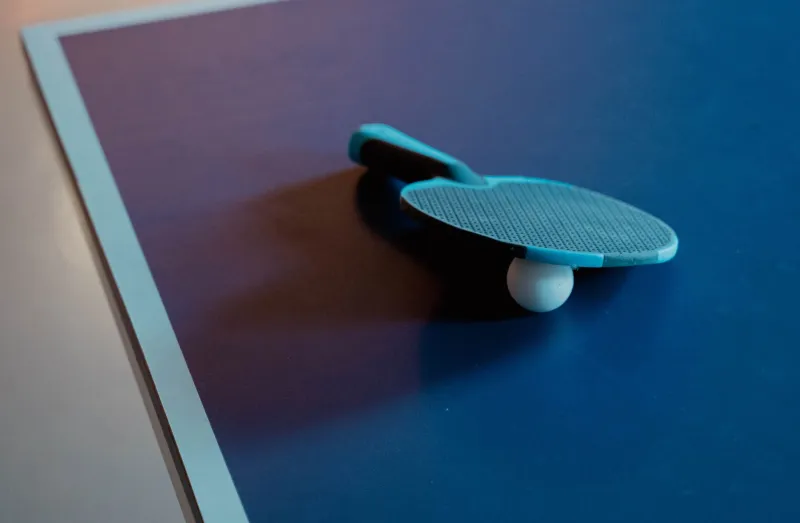
Ping-Pong, Pool Tables, and the Basement That Held the Whole Family Together

Ping-Pong, Pool Tables, and the Basement That Held the Whole Family Together

Before streaming, before smartphones, before every member of the household disappeared into their own screen, American families built entertainment into the architecture of their homes. The basement was the original family room — loud, shared, and wonderfully analog. What happened to it?

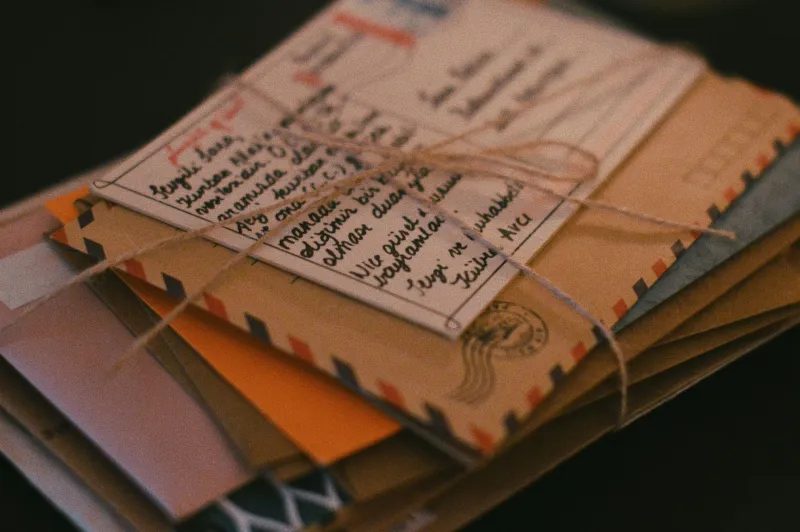
The Letter That Had to Travel a Thousand Miles Before She Could Say Yes

The Letter That Had to Travel a Thousand Miles Before She Could Say Yes

Before telephones were common and long before FaceTime existed, some of the most important moments in a person's life — a marriage proposal, a birth announcement, news of a death — had to travel by letter or telegram, sometimes across weeks of silence. The emotional landscape of American life before instant communication was shaped by a kind of patient uncertainty that's almost impossible to picture today.

The Day the Whole Town Stopped for the Circus Train

The Day the Whole Town Stopped for the Circus Train

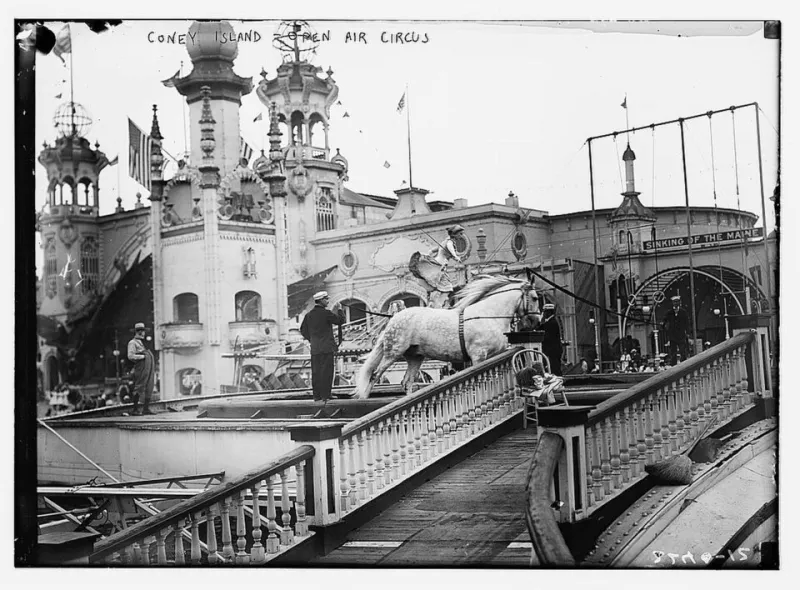
Once a year, in towns all across America, an entire community would drop everything and walk toward the same spectacle at the same moment. The circus wasn't just entertainment — it was one of the only experiences that genuinely belonged to everybody. That kind of shared wonder is harder to find now, and understanding what replaced it says a lot about how modern life has quietly changed.

Twenty-Five Cents and a Seat in the Dark: When Going to the Movies Meant Seeing the Whole World

Twenty-Five Cents and a Seat in the Dark: When Going to the Movies Meant Seeing the Whole World

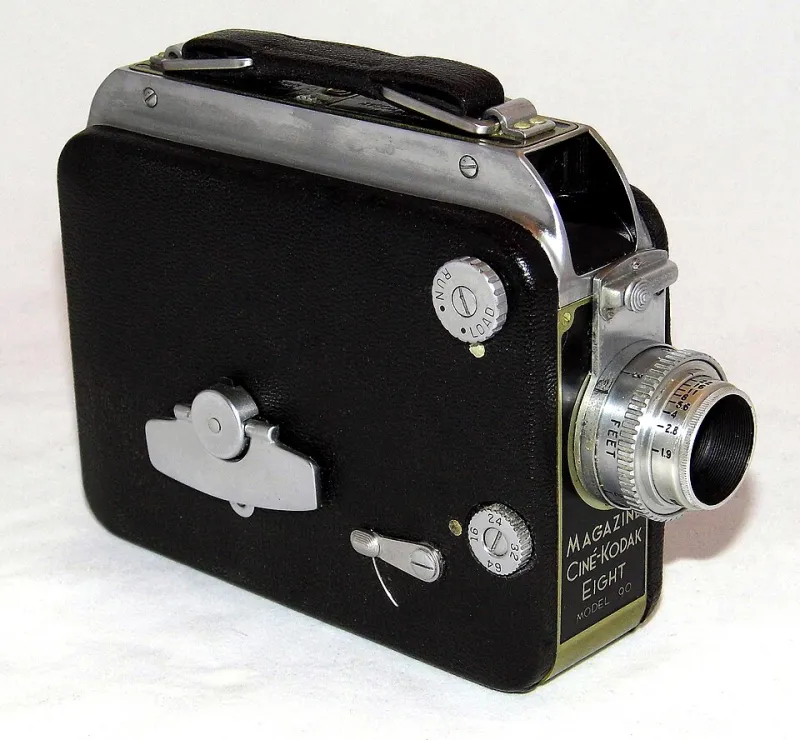
For generations of Americans who had never left their home state, the local movie theater wasn't just entertainment — it was the only place they'd ever see footage of Paris, the Sahara, or a presidential inauguration. Before streaming made the world instantly available, the Saturday matinee was the closest thing most people had to a window onto everywhere else.

The Yellow Envelope at the Door: How America Once Braced for News It Couldn't See Coming

The Yellow Envelope at the Door: How America Once Braced for News It Couldn't See Coming

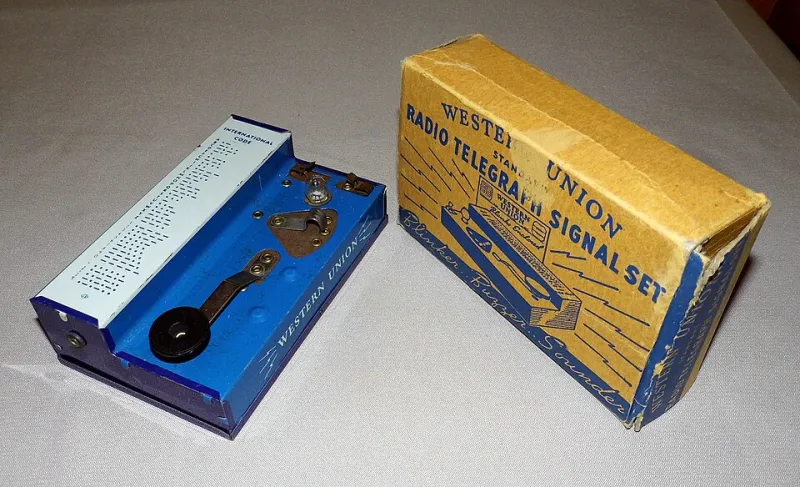
For most of the twentieth century, a knock at the front door carrying a yellow Western Union envelope could stop a family's heart before it was even opened. The telegram was America's original breaking news — slow by today's standards, but carrying a weight that no push notification has ever matched. Understanding what that moment felt like tells us something important about how we've changed.

The 6 O'Clock Truth: When Americans Got Their News Once and Moved On

The 6 O'Clock Truth: When Americans Got Their News Once and Moved On

For decades, Americans learned about the world through a single evening newscast, then simply lived their lives without constant updates, breaking alerts, or endless scrolling. This forgotten rhythm of information consumption shaped how entire generations processed current events and stress.

Under the Hood: When Americans Could Actually Fix Their Own Cars

Under the Hood: When Americans Could Actually Fix Their Own Cars

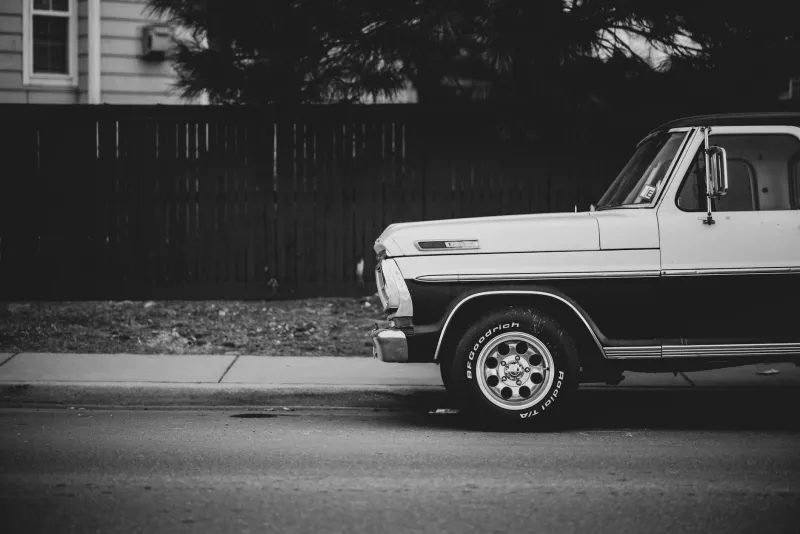
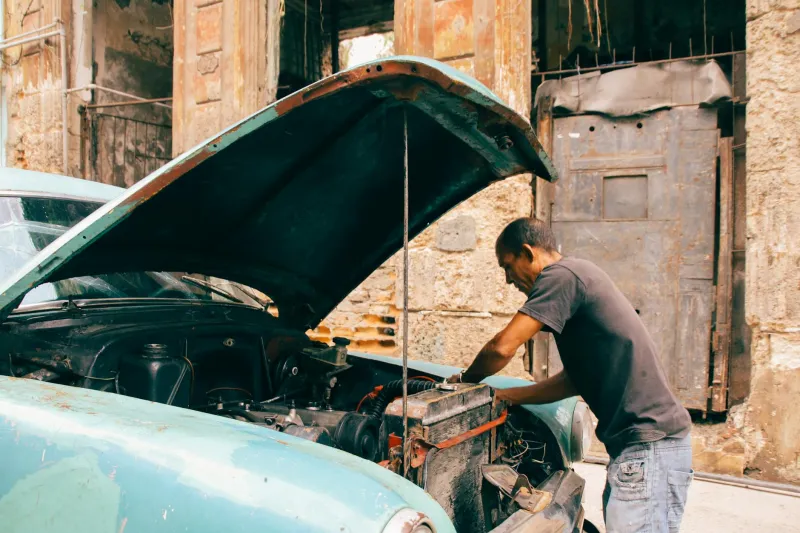
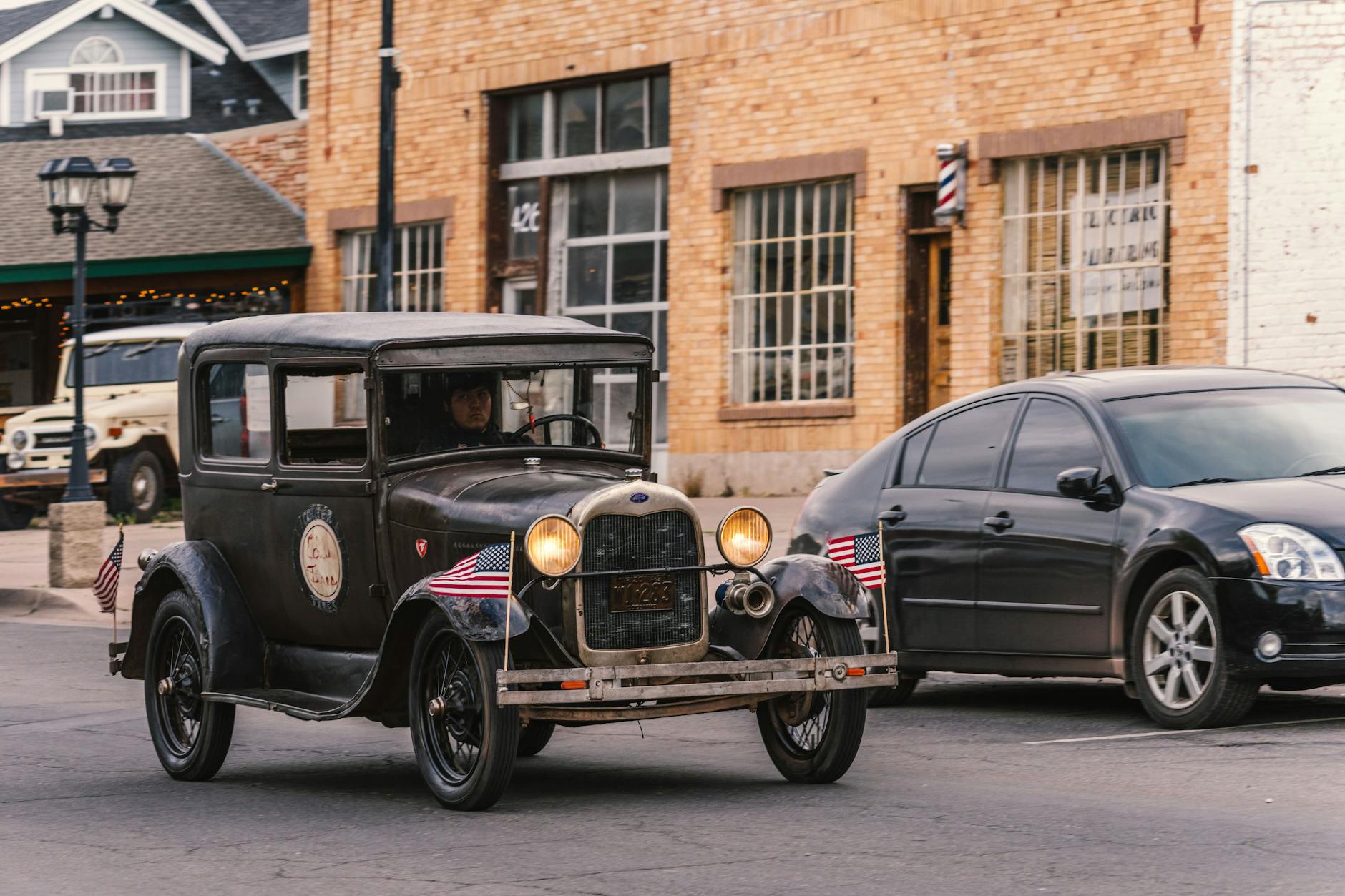
A generation ago, most American drivers could change their own oil, replace spark plugs, and diagnose engine problems with basic tools. Today's cars may be more reliable, but they've transformed from mechanical puzzles anyone could solve into sealed computers that only specialists can understand.

Reading the Sky: When Tomorrow's Weather Was Anyone's Guess

Reading the Sky: When Tomorrow's Weather Was Anyone's Guess

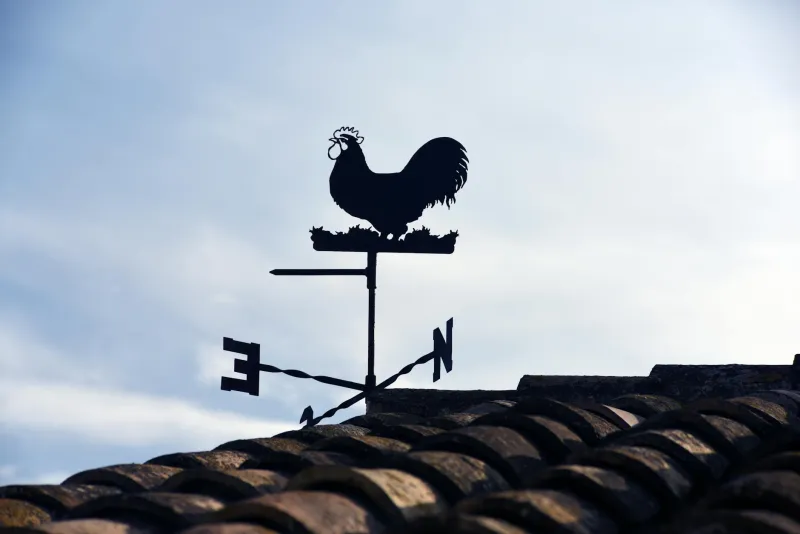
Before satellites and radar, Americans made life-changing decisions based on clouds, wind patterns, and folk wisdom passed down through generations. Weather was truly unpredictable, and that uncertainty shaped everything from farming to warfare.

Bleacher Seats, Box Scores, and No Replays: A Day at the Ballpark in 1955

Bleacher Seats, Box Scores, and No Replays: A Day at the Ballpark in 1955

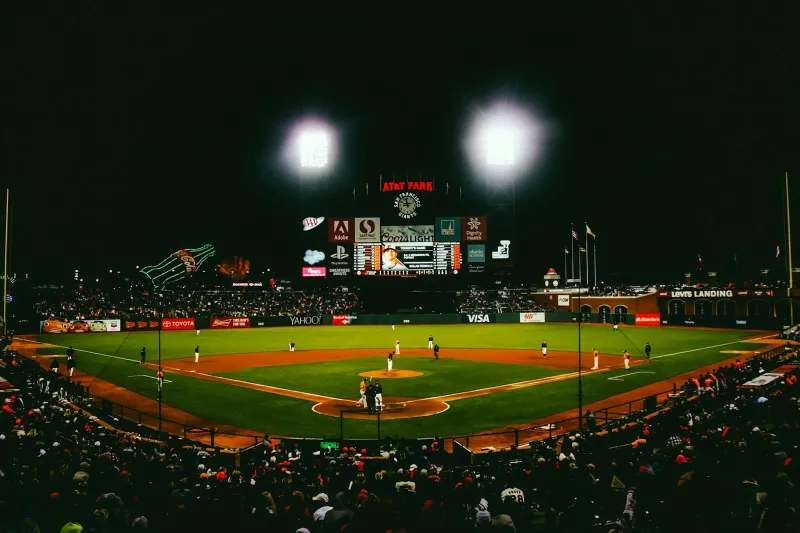
A dollar got you into the bleachers, a pencil let you keep score, and whatever happened on the field was the only version of events you'd ever see. Going to a Major League Baseball game in 1955 was a completely different ritual — and understanding what it looked like makes today's experience feel almost unrecognizable.