The Brass Key and the Guest Registry: When Hotels Felt Like Entering Someone's Home
The Grand Entrance Ritual
Picture walking into the Palmer House in Chicago circa 1965. The lobby gleamed with marble floors and crystal chandeliers, but what made the biggest impression was the mahogany registration desk where a uniformed clerk waited with fountain pen in hand and a leather-bound guest register open to today's date.
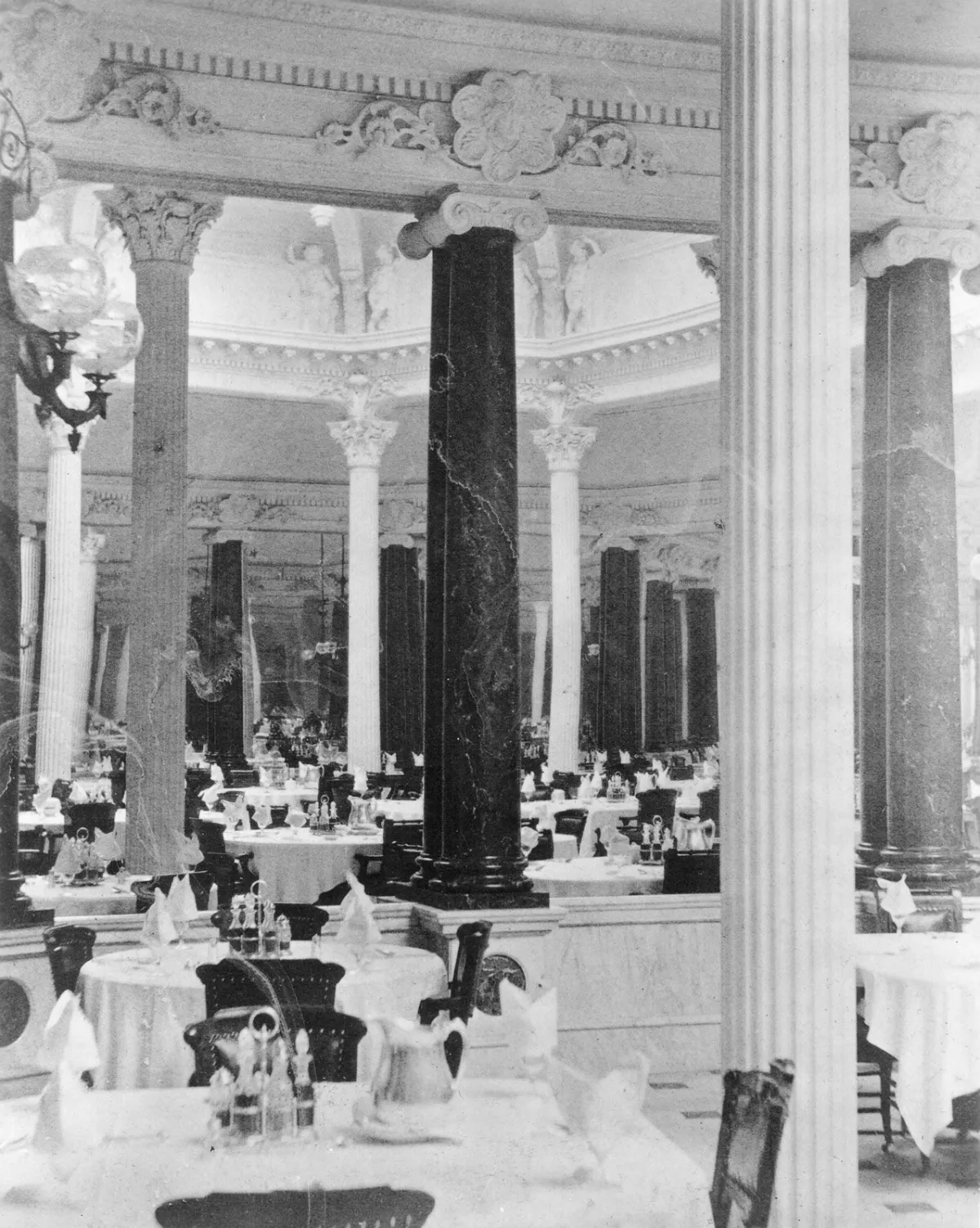 Photo: Palmer House, via cdn.britannica.com
Checking into a hotel wasn't a transaction — it was a ceremony. You approached the desk, stated your name, and watched as the clerk flipped through reservation cards filed in wooden boxes. Everything moved at the pace of human conversation, not digital processing.
The Sacred Guest Register
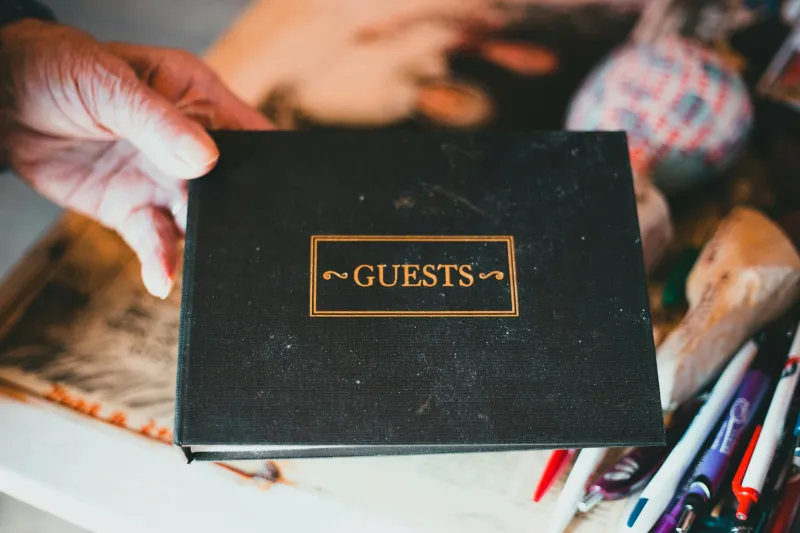
Every hotel maintained a guest registry, a heavy leather-bound book where visitors signed their names in permanent ink. This wasn't just record-keeping; it was a declaration of presence, a physical commitment that you were here, in this place, at this moment.
The signature mattered. Business travelers practiced their penmanship because a sloppy signature in a fine hotel's registry reflected poorly on their company. Celebrities developed elaborate autographs partly because they knew hotel staff and other guests would scrutinize their entries. The registry became a daily record of who was important enough to stay at each establishment.
Hotel clerks took pride in their registries, maintaining them like historical documents. Some of these books still exist in hotel archives, containing the signatures of presidents, movie stars, and ordinary Americans whose elegant cursive tells the story of mid-century travel.
The Weight of Real Keys
Your room key wasn't a plastic card — it was a substantial piece of brass or steel attached to a wooden or metal fob the size of a small book. These weren't designed for convenience; they were designed to be impossible to lose or forget.
The key fob served multiple purposes. It displayed your room number prominently, ensuring you'd never forget which floor you belonged on. Its weight made it impossible to accidentally leave in your pocket when checking out. And its size made it a conversation starter — other guests could immediately identify fellow travelers by the distinctive fobs from different hotels.
Losing your key was a genuine crisis. Unlike today's digital cards that can be instantly reprogrammed, brass keys required actual locksmiths. Hotels employed full-time maintenance staff partly because key replacement was such a regular necessity.
The Bellhop Ballet
Bellhops weren't just luggage carriers — they were your introduction to the hotel's personality. A skilled bellhop could size up guests instantly, adjusting their service style from formal deference for business executives to friendly guidance for families on vacation.
The bellhop's journey to your room was a guided tour. They pointed out the hotel restaurant, explained the house rules, demonstrated how to work the room's amenities, and often shared insider knowledge about the best local attractions. This wasn't efficiency; it was hospitality as performance art.
Tipping happened in cash, immediately, with a handshake and eye contact. The amount you gave established your reputation with the staff for the duration of your stay. Generous tippers found their rooms cleaned first, their restaurant reservations mysteriously available, and their requests handled with unusual speed.
The Analog Concierge
Hotel concierges were human Google searches with personality. Need restaurant recommendations? They knew which establishments would impress business clients versus which offered the best family atmosphere. Looking for entertainment? They maintained relationships with theater box offices and could secure tickets through personal connections rather than online algorithms.
These relationships took years to build. A experienced concierge at a major hotel knew restaurant owners, theater managers, and tour operators personally. They could arrange experiences that weren't available through any guidebook because they operated through networks of human favors and professional courtesy.
The concierge desk was command central for local knowledge. They maintained filing systems full of business cards, brochures, and handwritten notes about everything from the best shoe repair shops to which taxi drivers spoke multiple languages.
Room Service as Theater
Ordering room service meant calling the front desk and speaking to a human operator who connected you to the kitchen. The conversation was part of the experience — discussing preparation preferences, explaining dietary restrictions, and receiving recommendations from staff who knew the chef's specialties.
Food arrived on real china with cloth napkins and silverware that belonged to the hotel. Room service waiters set up elaborate presentations, often including fresh flowers and multiple courses arranged with restaurant-quality attention to detail. The meal came with a leather folder containing the check, which you signed with a fountain pen and returned with cash tip.
The Departure Ceremony
Checking out required the same human interaction as checking in. You presented your key to the front desk, reviewed your bill line by line with a clerk who could explain every charge, and settled your account with cash, check, or one of the few credit cards that existed.
The hotel kept carbon copies of everything. Your bill was typed on a manual machine, creating multiple copies that went into filing systems that hotels maintained for years. If you disputed a charge six months later, they could pull your physical file and examine the original paperwork.
The Lost Art of Hotel Hospitality
What we've lost isn't just the inefficiency of analog systems — it's the human connection that made travel feel special. Hotel staff knew regular guests by name and preference. They remembered that Mr. Johnson always requested extra towels and that Mrs. Peterson preferred rooms facing away from the street.
This knowledge was institutional, passed down from shift to shift through handwritten notes and verbal briefings. Hotels maintained guest preference cards that recorded everything from pillow preferences to favorite newspapers. Returning guests felt genuinely welcomed because the staff actually remembered them.
The Modern Trade-Off
Today's digital efficiency has solved many problems. We can check in remotely, skip front desk lines, and access rooms with smartphone apps. But we've traded the theater of hospitality for the convenience of automation.
Self-service kiosks process transactions faster than human clerks, but they can't provide local recommendations or remember that you're celebrating an anniversary. Digital keys never get lost, but they don't carry the weight of commitment that brass keys provided.
When Service Was Performance
The old hotel experience was slower, more expensive, and less convenient than today's streamlined systems. But it was also more memorable. The ritual of signing the guest registry, the ceremony of receiving your key, and the personal attention from staff who treated hospitality as a craft created experiences that lasted long after checkout.
Modern hotels deliver better value and greater efficiency, but they've largely eliminated the sense that staying in a hotel was a special occasion worthy of ceremony and attention to detail. We've gained convenience and lost a little bit of magic in the process.