The 6 O'Clock Truth: When Americans Got Their News Once and Moved On
The Ritual of Walter Cronkite
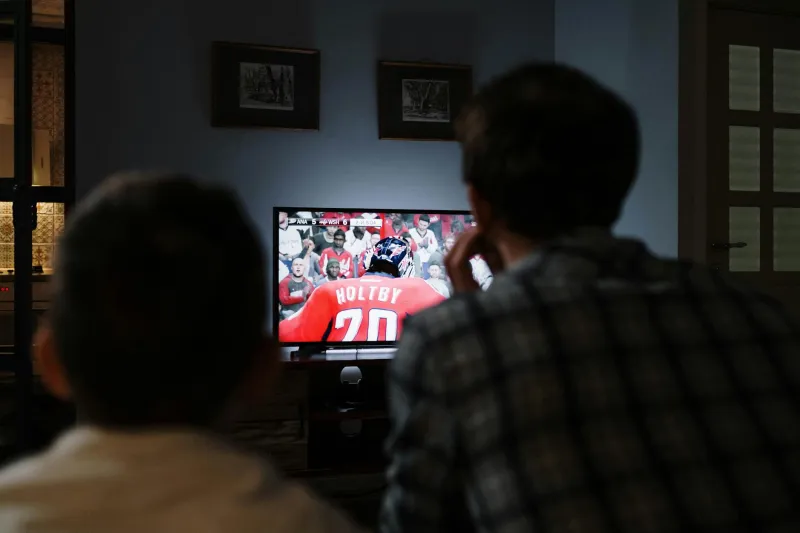
Every weeknight at 6:30 PM, families across America gathered around their television sets for the same 22-minute appointment with the world. Walter Cronkite's voice filled living rooms from coast to coast, delivering the day's most important events with measured authority. When he signed off with "And that's the way it is," that was it. The news was over. Americans went about their evening — dinner, homework, conversation — without expecting or receiving another update until the next morning's newspaper.
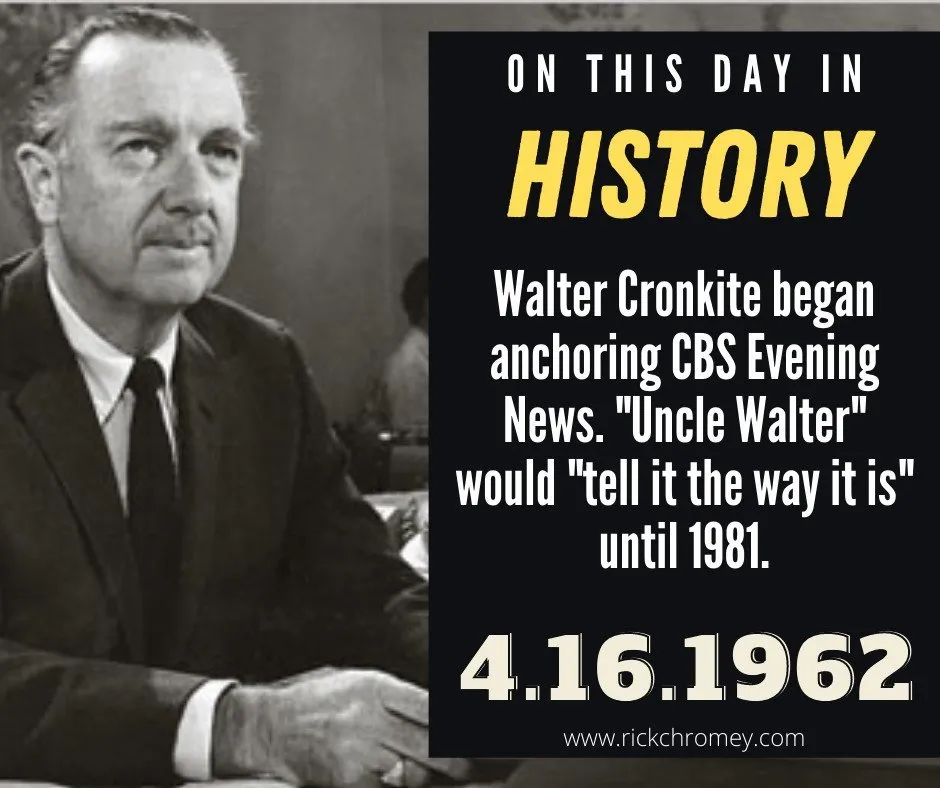 Photo: Walter Cronkite, via rickchromey.com
This wasn't a limitation of technology. It was simply how information worked.
The Morning Paper and the Evening Broadcast
In 1965, the average American consumed news through two primary channels: the morning newspaper and the evening television broadcast. The newspaper, delivered to the front door before dawn, contained yesterday's events presented with the benefit of time, reflection, and editorial consideration. Reporters had hours to verify facts, editors had time to provide context, and readers had the luxury of processing information at their own pace.
The evening news offered updates on the most significant developments, but even "breaking news" was presented with a sense of proportion. If something truly urgent happened — the Kennedy assassination, the first moon landing — regular programming was interrupted. But these interruptions were so rare that they carried enormous weight.
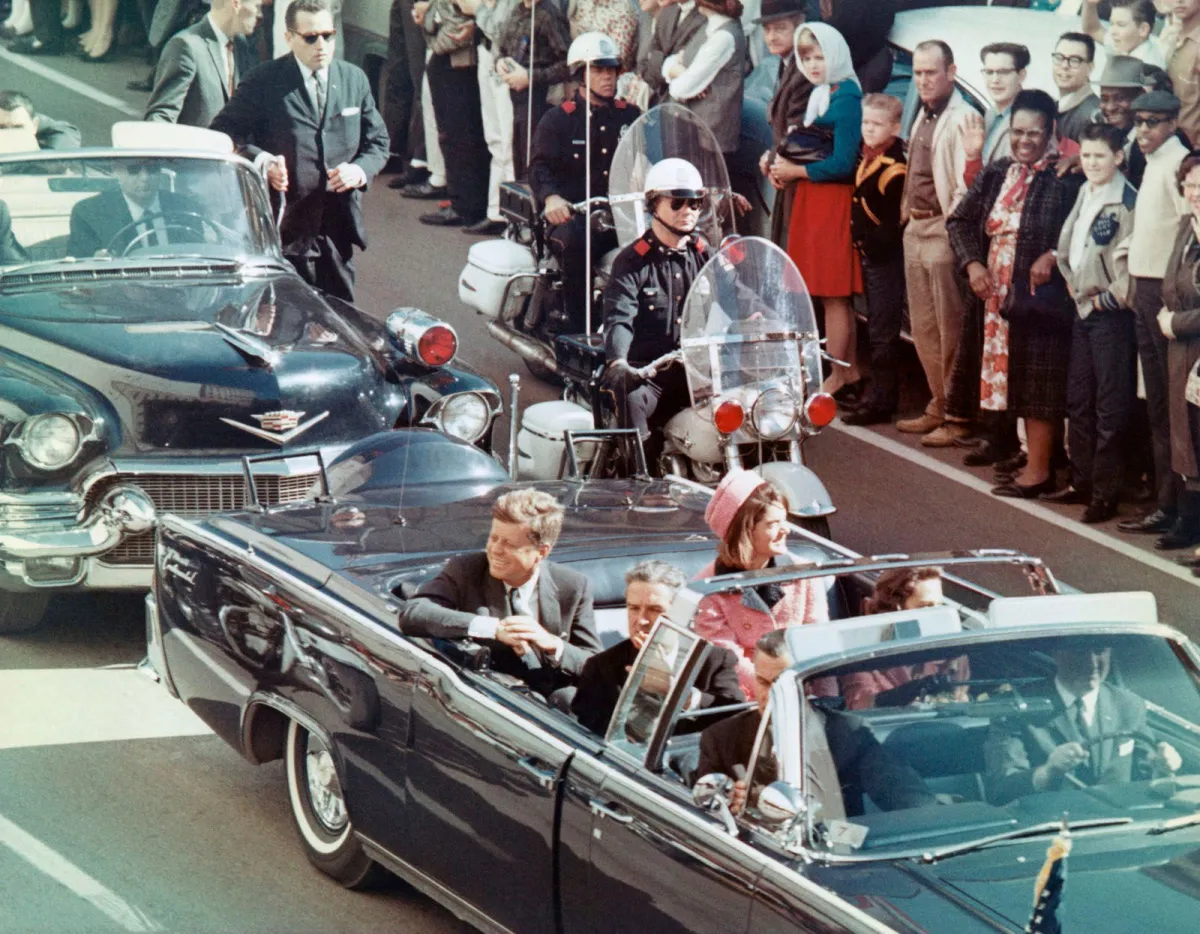 Photo: Kennedy assassination, via cdn.britannica.com
The Silence Between Stories
What's almost impossible to imagine today is the silence that existed between news cycles. When Americans left their homes in the morning, they carried the information they had gathered from the newspaper and the previous evening's broadcast. That was it. No push notifications, no news alerts, no ability to check what was happening every few minutes.
If a major story developed during the day, they simply wouldn't know about it until they returned home. This wasn't experienced as being "out of touch" — it was normal life. People made decisions, had conversations, and went about their work without the constant background hum of breaking developments.
How Opinions Formed Differently
Without the ability to immediately react to every development, public opinion formed differently. News had time to settle, to be discussed around dinner tables and office water coolers. People processed information in conversation with their neighbors, not in the comment sections of articles they had skimmed while walking down the street.
Controversial stories unfolded over days or weeks, not minutes. The public had time to absorb initial reports, consider different perspectives, and form more measured opinions. Knee-jerk reactions still existed, but they were expressed in letters to the editor that took days to appear in print, not in instant social media posts that could go viral within hours.
The Stress of Not Knowing vs. The Stress of Always Knowing
Modern Americans often assume that not having constant access to information must have been stressful. How could people function without knowing what was happening in the world every moment? But interviews with Americans from that era reveal a different kind of stress — or rather, the absence of a particular kind of stress that defines modern life.
Without the ability to constantly check for updates, people weren't trapped in cycles of anxiety about events they couldn't control. They worried about their immediate lives — their jobs, their families, their communities — rather than developing ongoing emotional relationships with distant crises they could do nothing about.
When Breaking News Actually Broke Through
The rarity of interrupting regular programming meant that when it happened, the entire nation paid attention simultaneously. The Kennedy assassination, the Challenger explosion, the Berlin Wall falling — these moments created shared national experiences because everyone learned about them at the same time, in the same way.
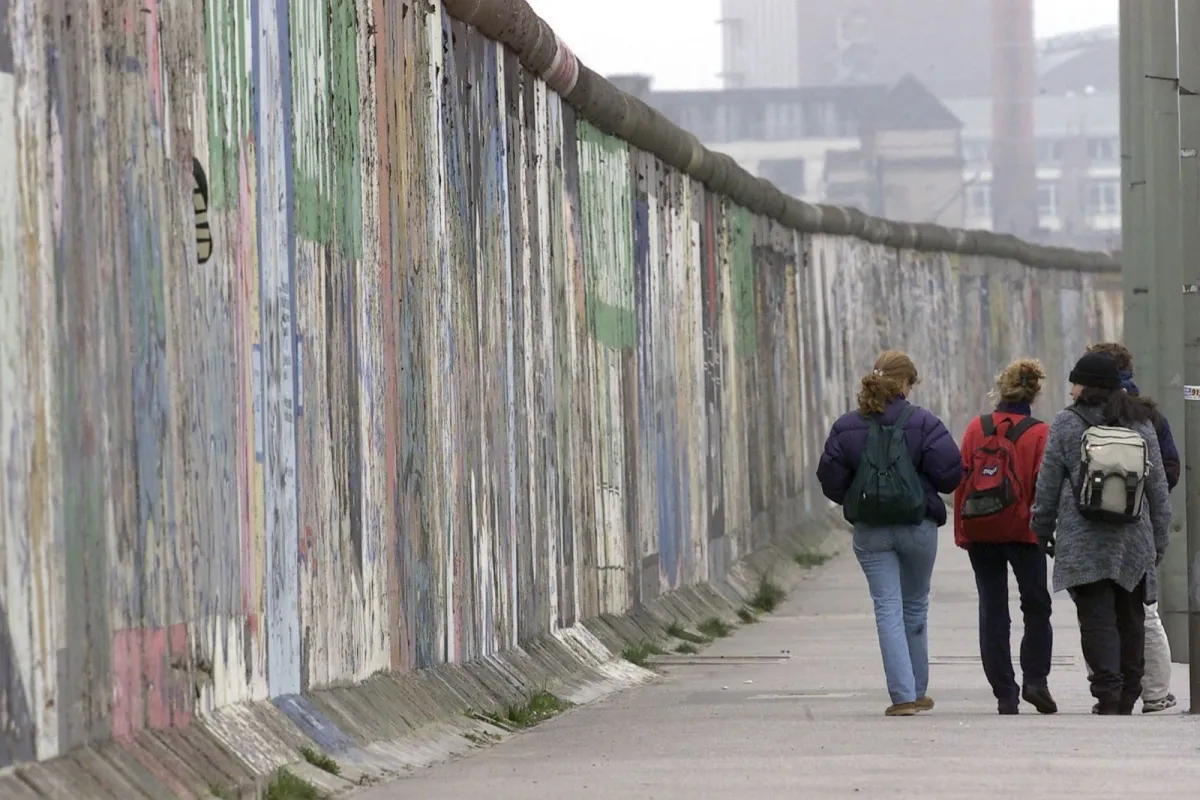 Photo: Berlin Wall, via abcnews.go.com
Today's constant stream of "breaking news" has diluted the very concept. When everything is urgent, nothing feels truly urgent. The 1960s American who heard "We interrupt this program" knew immediately that something genuinely significant was happening.
The Conversation Lasted Longer
News stories had longer lifespans. A major development might be discussed for weeks because there wasn't a constant stream of new information pushing it out of the public consciousness. People had time to think deeply about issues, to read multiple perspectives, and to engage in sustained conversations about their implications.
Compare this to today's news cycle, where major stories can be completely forgotten within 48 hours because three new crises have emerged to capture public attention.
The Price of Constant Connection
Modern Americans have access to more information than any generation in history. We can follow developing stories in real-time, access multiple perspectives instantly, and participate in global conversations about events as they unfold. These are genuine advantages that have democratized information and connected the world in unprecedented ways.
But this constant connectivity comes with costs that previous generations never had to consider. The average American now checks the news 8.5 times per day and reports feeling overwhelmed by the volume of information. Anxiety about events beyond personal control has become a defining feature of modern life.
The Lost Art of Information Patience
Perhaps most significantly, we've lost the ability to sit with uncertainty. Previous generations were comfortable not knowing the latest developments because they understood that most news could wait. They trusted that if something truly important happened, they would find out soon enough through their established information routines.
Today's Americans often feel compelled to check for updates even when they're trying to relax, as if the act of not knowing what's happening in the world represents a form of irresponsibility.
Finding Balance in the Information Age
Some Americans are attempting to recapture elements of the old news rhythm. "News fasting" and "digital detoxes" represent efforts to return to more intentional information consumption. Some people are choosing to check news only once or twice a day, mimicking the natural rhythm that previous generations took for granted.
The challenge isn't returning to the past — we can't uninvent the internet or pretend that global connectivity doesn't exist. But we might learn something from a generation that understood the value of information patience, the importance of processing time, and the peace that comes from accepting that we don't need to know everything the moment it happens.
Walter Cronkite's sign-off — "And that's the way it is" — represented more than just the end of a broadcast. It was a daily reminder that the news, however important, was just one part of life, not the constant background soundtrack to every waking moment.