When Shopping Meant Planning Your Entire Weekend: How Americans Used to Schedule Their Lives Around Store Hours
The Great Saturday Migration
Every Saturday morning in 1980s America, families across the country performed the same ritual. Dad would check his wallet for cash, Mom would gather the bills that needed paying, and everyone would pile into the station wagon for what locals called "running errands" — a phrase that barely captured the logistical complexity of a day that often stretched from 9 AM to 5 PM.
The route was always strategic. First stop: the bank, because everything else required cash. Second stop: the post office, before the Saturday noon closing. Then came the delicate balance of hitting every other destination before closing times that varied wildly and showed no mercy for latecomers.
When Money Lived Behind Bulletproof Glass
Banking in the 1970s and 1980s meant one thing: human interaction, whether you wanted it or not. ATMs existed but were scarce and often broken. Most families made their weekly pilgrimage to the bank teller, standing in lines that could stretch twenty deep on Saturday mornings.
"I need to make a deposit, transfer $200 to checking, and get $60 in cash," you'd tell the teller, who would hand-write every transaction in your passbook. The whole process took ten minutes per person, assuming you had all your paperwork ready. Forget something? Back to the end of the line.
Today, those same transactions happen in thirty seconds on your phone while you're still in bed. The time savings seem almost impossible to calculate — what once consumed an hour every Saturday now takes less time than brewing coffee.
The Travel Agent: Your Gateway to Everywhere
Want to book a flight in 1985? You didn't compare prices online or read reviews. You drove to the travel agency, sat across from an agent at a desk covered in thick booking manuals, and hoped they knew what they were doing.
"We're thinking about Hawaii for our anniversary," you'd say, and the agent would flip through massive books, make phone calls, and eventually present you with options that you either took or left. No price comparisons, no seat selection, no reading about hotels beforehand. You trusted the professional and paid their commission because you had no choice.
The process could take two hours for a simple domestic flight. International travel? Plan to spend your entire afternoon there, possibly returning multiple days later as the agent called airlines and hotels to piece together your itinerary.
When Music Shopping Was a Treasure Hunt
Record stores in the 1980s weren't just retail spaces — they were cultural institutions where music discovery happened through physical exploration. You'd flip through hundreds of vinyl records and cassette tapes, hoping to find that one album you'd heard on the radio but couldn't quite remember the name of.
"Do you have that song that goes 'da da da dum'?" you'd hum to the clerk, who somehow often knew exactly what you meant. Buying music meant commitment. At $8-12 per album (about $25-35 today), you'd better be sure you liked more than just the hit single.
Compare that to today: you hear a song, Shazam it instantly, and stream the entire artist's catalog before the song even finishes. The convenience is staggering, but something was lost in that transition — the serendipity of discovering new music while searching for something else entirely.
Video Stores: The Weekend Entertainment Lottery
Friday and Saturday nights in the 1980s began with a pilgrimage to Blockbuster or the local video store. Families would wander the aisles, debating movie choices while secretly hoping their first pick wasn't already rented out.
"Honey, they don't have 'Top Gun,'" became a common refrain, followed by twenty minutes of negotiating alternative choices. New releases cost $3-4 to rent (about $10 today), and you had to return them by a specific time or face late fees that could cost more than the original rental.
The entire process — driving there, browsing, waiting in line, driving home — could easily consume an hour. Today, that same movie selection process happens in minutes on your couch, with no driving, no late fees, and unlimited options.
The Department Store Marathon
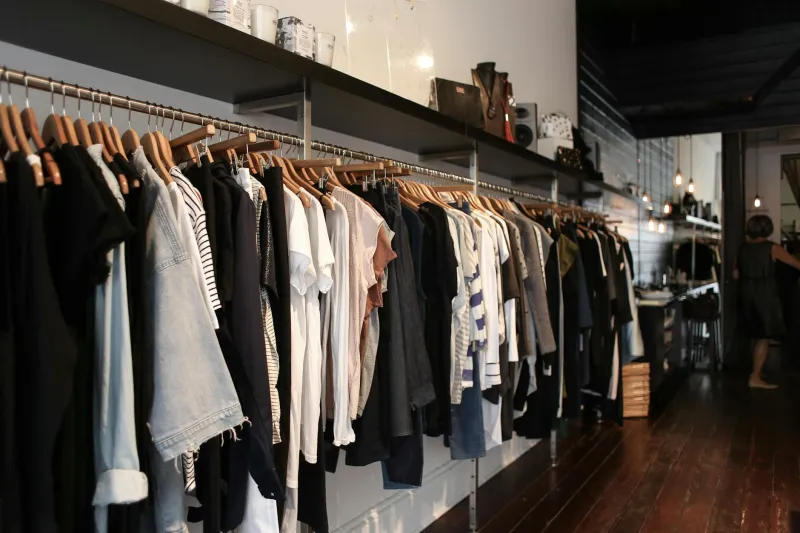
Shopping for clothes or household items meant visiting actual department stores with limited hours, seasonal inventory, and no way to check if they had what you needed before making the trip. You'd drive twenty minutes to Sears, discover they were out of the washing machine you wanted, then drive another fifteen minutes to Montgomery Ward to start over.
Returns were particularly painful. You'd save receipts in a shoebox, hope the item was still returnable after two weeks, and drive back to the store during business hours — which meant taking time off work or sacrificing another Saturday.
What We Gained and Lost
By conservative estimates, these Saturday errands consumed 4-6 hours every weekend. That's 200-300 hours per year that American families now have available for other activities. The efficiency gains are undeniable — what once took an entire day now happens in minutes.
But something was lost in that transformation. Those errands created natural community gathering spaces where neighbors ran into each other, where local businesses knew their customers by name, and where shopping was a social activity rather than a solitary digital transaction.
The Saturday errand marathon wasn't just about getting things done — it was about participating in a shared community rhythm that no longer exists. Whether that trade-off was worth it depends on how much you value convenience over connection, efficiency over serendipity.
Either way, the next time you order something online in thirty seconds, remember that your parents once planned their entire weekend around accomplishing the same task.