Then Before Now How different was the world before today?

Then Before Now

How different was the world before today?

Latest Articles

Blind Faith Banking: When Americans Managed Money Without Ever Knowing Their Balance
Finance

Blind Faith Banking: When Americans Managed Money Without Ever Knowing Their Balance

Before ATMs and online banking, Americans lived in complete financial darkness between monthly statements. Managing a household budget meant relying on handwritten ledgers, mental math, and pure trust that the bank hadn't made any errors.

Sunday Best for Saturday Errands: When Americans Dressed Up to Buy Groceries
Health

Sunday Best for Saturday Errands: When Americans Dressed Up to Buy Groceries

Until the 1970s, most Americans wouldn't dream of leaving the house in casual clothes—even for a quick trip to the store. Getting dressed meant getting dressed up, and public spaces were fashion runways where everyone was expected to look their best.

Under the Hood: When Americans Could Actually Fix Their Own Cars
Travel

Under the Hood: When Americans Could Actually Fix Their Own Cars

A generation ago, most American drivers could change their own oil, replace spark plugs, and diagnose engine problems with basic tools. Today's cars may be more reliable, but they've transformed from mechanical puzzles anyone could solve into sealed computers that only specialists can understand.

Before the Voice Said 'Turn Left': When Getting Lost Was Part of the Journey
Travel

Before the Voice Said 'Turn Left': When Getting Lost Was Part of the Journey

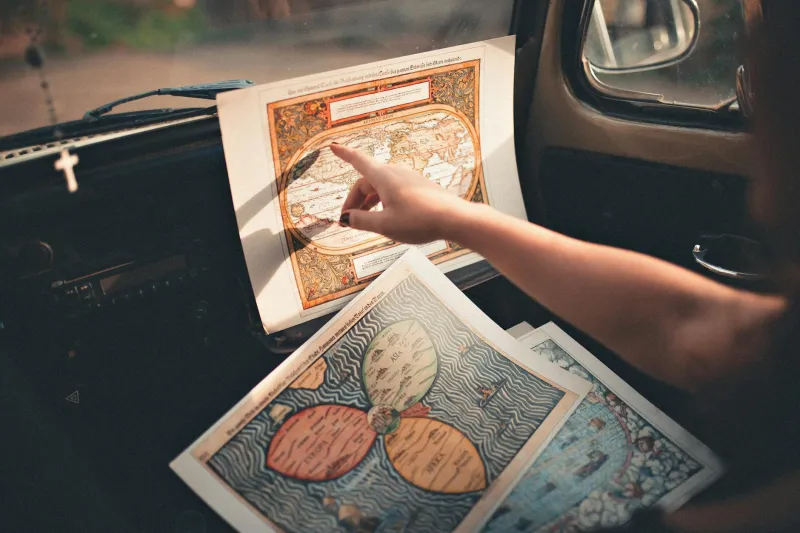
American road trips once required folded maps, handwritten directions, and the real possibility of ending up somewhere completely unexpected. Getting lost wasn't a failure—it was an adventure that led to discoveries no algorithm could predict.

The Sacred Hour: When American Workers Actually Left Their Desks for Lunch
Health

The Sacred Hour: When American Workers Actually Left Their Desks for Lunch

For decades, the lunch hour was an untouchable midday sanctuary where American workers stepped away from their jobs completely. Today's desk-eating, email-checking culture would have been unthinkable to the millions who once treated their lunch break as sacred time.

Mowing Money: When Every American Teenager Had Their Own Small Business Empire
Finance

Mowing Money: When Every American Teenager Had Their Own Small Business Empire

From paper routes to babysitting, American teenagers once ran informal business empires that funded their entire social lives. That world of easy teen income has virtually disappeared, taking with it a crucial lesson in work and money.

Reading the Sky: When Tomorrow's Weather Was Anyone's Guess
Travel

Reading the Sky: When Tomorrow's Weather Was Anyone's Guess

Before satellites and radar, Americans made life-changing decisions based on clouds, wind patterns, and folk wisdom passed down through generations. Weather was truly unpredictable, and that uncertainty shaped everything from farming to warfare.

The Forty-Year Handshake: When Your Job Came With a Promise to Take Care of You Forever
Finance

The Forty-Year Handshake: When Your Job Came With a Promise to Take Care of You Forever

For most of the 20th century, staying loyal to one company meant they'd pay you every month until you died. That unspoken contract quietly vanished, leaving millions of Americans to figure out retirement on their own.

The Single Black Phone and the Art of Maybe: How Families Stayed Connected When Nobody Was Ever Guaranteed to Answer
Finance

The Single Black Phone and the Art of Maybe: How Families Stayed Connected When Nobody Was Ever Guaranteed to Answer

Before caller ID, cell phones, or answering machines, maintaining family relationships required strategic timing, shared household schedules, and accepting that most calls would go unanswered. The emotional labor of staying connected was enormous.

When Dinner Started at Breakfast: The Lost World of All-Day Cooking Before Convenience Took Over
Health

When Dinner Started at Breakfast: The Lost World of All-Day Cooking Before Convenience Took Over

In 1950, preparing a family dinner began with morning planning and afternoon preparation, requiring skills and time that modern Americans would find exhausting. Convenience foods and microwaves didn't just change what we eat—they gave us back half our day.

From Studio Lots to Smartphone Screens: How Fame Stopped Requiring a Bus Ticket to Hollywood
Travel

From Studio Lots to Smartphone Screens: How Fame Stopped Requiring a Bus Ticket to Hollywood

Breaking into entertainment once meant physically relocating to Los Angeles or New York, mailing hundreds of headshots, and waiting months for callbacks. Today's viral stars skip the geography entirely, building audiences from their bedrooms.

The Ritual of Twenty Envelopes and a Prayer: When Job Hunting Required Stamps, Patience, and Perfect Typing
Finance

The Ritual of Twenty Envelopes and a Prayer: When Job Hunting Required Stamps, Patience, and Perfect Typing

Before LinkedIn and online applications, finding work meant typing resumes on typewriters, buying stamps by the roll, and waiting weeks for responses that might never come. The entire process was so laborious that every application felt like a genuine investment.

The Lost Art of Patience: When Americans Waited Weeks for Words That Mattered
Travel

The Lost Art of Patience: When Americans Waited Weeks for Words That Mattered

Before email and text messages, Americans maintained deep relationships through handwritten letters that took weeks to arrive. This vanished ritual required patience, planning, and genuine emotional investment that shaped how people communicated.

When Your Car Payment Was Cheaper Than Your Textbooks: How America's Biggest Purchases Switched Places
Finance

When Your Car Payment Was Cheaper Than Your Textbooks: How America's Biggest Purchases Switched Places

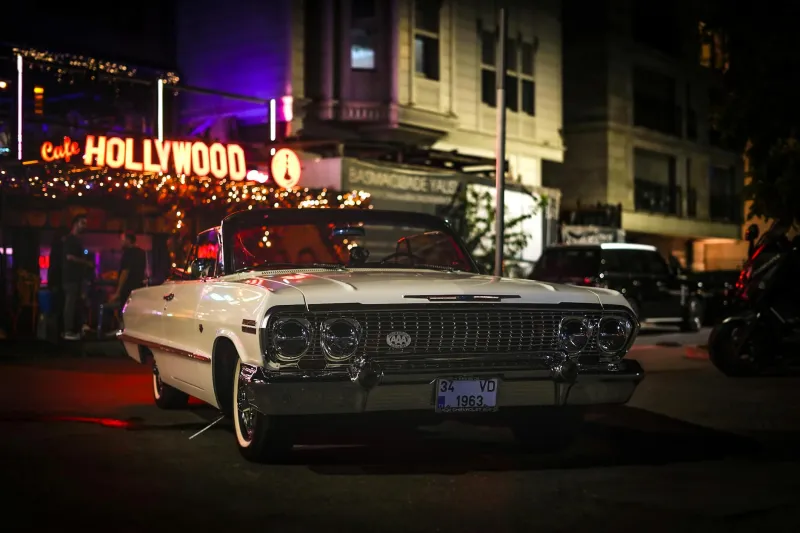
In 1965, a brand-new Chevrolet Impala cost about five times what a year of college tuition did. Today, that relationship has completely flipped, fundamentally changing what it means to achieve the American Dream. The financial milestones our parents used to measure success no longer make sense in today's economy.

When College Was Something You Could Pay For With a Summer Job: The Vanishing Dream of Affordable Higher Education
Finance

When College Was Something You Could Pay For With a Summer Job: The Vanishing Dream of Affordable Higher Education

In 1975, three months of minimum-wage work could cover a full year at most state universities. Today, that same summer job barely covers textbooks for one semester.

When Missing Your Show Meant Missing It Forever: The Lost Art of Appointment Television
Travel

When Missing Your Show Meant Missing It Forever: The Lost Art of Appointment Television

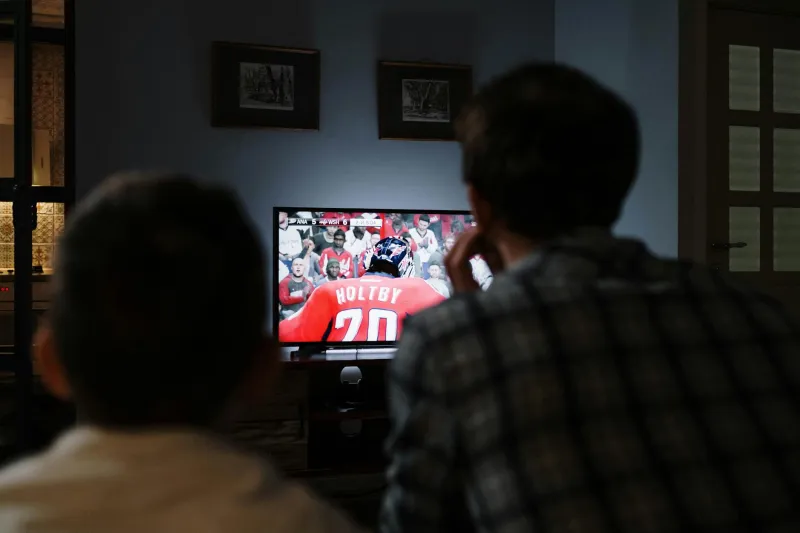
Before DVRs and streaming, watching your favorite TV show required military-level planning and unwavering commitment. Missing an episode meant waiting months for a summer rerun — if you were lucky enough to catch it at all.

When Friday Night Plans Started on Wednesday: The Art of Social Coordination Before Cell Phones
Travel

When Friday Night Plans Started on Wednesday: The Art of Social Coordination Before Cell Phones

Making plans with friends in the 1980s required strategic timing, backup options, and a lot of crossed fingers. One simple night out could take days to coordinate through landline calls and pure hope.

Stepping Aboard in Your Sunday Best: When Air Travel Required Evening Gowns and Three-Course Meals
Travel

Stepping Aboard in Your Sunday Best: When Air Travel Required Evening Gowns and Three-Course Meals

In 1955, flying coast-to-coast meant putting on your finest clothes, enjoying silver service meals, and paying what would equal a month's rent today. Air travel was so exclusive that passengers dressed like they were attending the opera, not catching a bus with wings.

When Shopping Meant Planning Your Entire Weekend: How Americans Used to Schedule Their Lives Around Store Hours
Finance

When Shopping Meant Planning Your Entire Weekend: How Americans Used to Schedule Their Lives Around Store Hours

Before the internet transformed commerce, American families dedicated entire Saturdays to a carefully choreographed dance between banks, stores, and service providers. What now takes minutes online once required hours of driving, waiting, and hoping businesses were still open.

When Your First Apartment Cost Less Than a Tank of Gas: The Housing Reality Young Americans Knew in 1975
Finance

When Your First Apartment Cost Less Than a Tank of Gas: The Housing Reality Young Americans Knew in 1975

In 1975, a fresh college graduate could rent a decent one-bedroom apartment in most American cities for under $200 a month. Today's housing crisis makes that era feel like financial fantasy, but the numbers tell a story about how dramatically the American dream shifted.