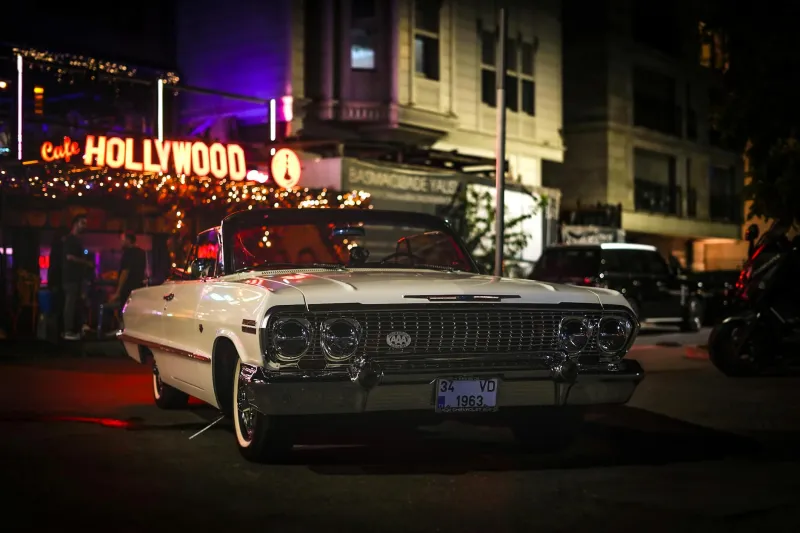
In 1965, if you dreamed of becoming the next Elizabeth Taylor or Frank Sinatra, your first major expense wasn't acting classes or voice lessons—it was a Greyhound ticket to Los Angeles. The entertainment industry operated like a fortress with a single gate, and that gate was bolted shut to anyone who couldn't physically show up in person.
The Geography of Dreams
Back then, talent meant nothing without proximity. A gifted singer in rural Kansas might as well have been on Mars for all the good their abilities would do them. The entertainment industry concentrated itself in two cities—Los Angeles for film and television, New York for theater and music—and if you weren't willing to pack your life into a suitcase and relocate, your career was over before it started.
The numbers tell the story: in 1970, roughly 80% of all professional actors lived within a 50-mile radius of either Hollywood or Manhattan. This wasn't coincidence—it was necessity. Auditions happened on studio lots, casting calls were posted on physical bulletin boards, and networking meant showing up to the same coffee shops and bars where industry professionals gathered after work.
Consider what this meant for an aspiring actor from, say, Birmingham, Alabama. First, they needed enough savings to survive in one of America's most expensive cities while working odd jobs between auditions. Then came the headshots—professional photography sessions that cost the equivalent of $400 in today's money, followed by hundreds of copies printed on special paper stock. These weren't optional expenses; they were the basic equipment needed to even be considered for work.
The Waiting Game
Once you'd made the move and assembled your materials, the real grinding began. Aspiring performers would mail their headshots to casting directors, talent agencies, and production companies—sometimes sending out 50 or 100 packages per week. Each envelope contained not just a photograph, but hope wrapped in 8x10 glossy paper.
The response rate was brutal. Most packages disappeared into filing cabinets, never to be seen again. A 2% callback rate was considered excellent. And when callbacks did come, they arrived weeks or months later, often for roles that had already been cast. The entire system ran on a delay that would seem impossible to modern audiences accustomed to instant responses.
Meanwhile, rent still needed paying. Most aspiring actors worked as waiters, bartenders, or retail clerks—jobs that offered flexible schedules for the constant stream of auditions that might or might not lead anywhere. The financial pressure was relentless, and many talented performers simply ran out of money before they ran out of dreams.
When Talent Met Technology
Today's entertainment landscape would be unrecognizable to those 1960s dreamers. A teenager in rural Ohio can film a comedy sketch on their phone, upload it to TikTok, and wake up the next morning with a million views and calls from Hollywood agents. The gatekeepers haven't disappeared—they've been forced to come to the talent instead of the other way around.
The numbers are staggering: YouTube processes over 500 hours of video content every minute, much of it created by people who would never have had access to traditional entertainment channels just two decades ago. Instagram influencers with followings in the millions command appearance fees that rival established television stars. Streaming platforms desperately search for fresh content, creating opportunities that simply didn't exist when three major networks controlled what Americans watched.
Geography has become almost irrelevant. Some of today's biggest social media personalities live in small towns, creating content from bedrooms that doubles as production studios. The equipment that once required major studio investment—professional cameras, editing software, distribution networks—now fits in your pocket.
The Hidden Cost of the Old System
What strikes you most about the old entertainment industry isn't just how difficult it was to break in, but how much talent was inevitably lost along the way. How many potential stars never made it past their hometown because they couldn't afford the move to Los Angeles? How many gifted performers gave up after a year of rejection letters and empty bank accounts?
The barrier to entry was so high that success often depended as much on family wealth and social connections as on actual ability. If your parents could subsidize your struggling actor years, you had a massive advantage over equally talented competitors who needed to pay their own rent.
The New Landscape
Today's aspiring entertainers face different challenges—oversaturation, algorithm changes, the pressure to constantly produce content—but the fundamental equation has flipped. Instead of talent seeking out opportunity, opportunity now actively hunts for talent. Casting directors scroll through social media looking for fresh faces. Record labels monitor streaming platforms for emerging artists. The entertainment industry has become a vast talent-spotting operation that reaches into every corner of America.
This doesn't mean success is easier—just more accessible. The competition is fiercer because the playing field is larger, but at least now everyone gets to play. A gifted performer's zip code no longer determines their chances, and that represents a democratization of dreams that would have seemed impossible to those hopeful young people boarding Greyhound buses in 1965.
The bus ticket to Hollywood used to be the price of admission to the entertainment industry. Today, the price of admission is simply having something interesting to say and the courage to say it on camera. The geography of fame has been completely redrawn, and talent can finally exist wherever it happens to be born.