
In 1975, if you worked for General Motors, IBM, or any of thousands of American companies, retirement planning was simple: show up, do your job, and trust that your employer would send you a check every month for the rest of your life after you turned 65. No spreadsheets, no investment decisions, no sleepless nights wondering if you'd saved enough. The company had made you a promise, and in America, that promise was as solid as the gold watch they'd hand you on your last day.
 Photo: General Motors, via nypost.com
When Retirement Was Someone Else's Problem
The defined-benefit pension system wasn't just a job perk—it was the foundation of the American middle class. Companies calculated how much their retirees would need, invested massive pools of money to generate those returns, and handled all the financial complexity. Workers knew exactly what they'd receive: typically around 60-70% of their final salary, adjusted for inflation, guaranteed until death.
At General Electric in the 1960s, engineers and factory workers alike could calculate their retirement income to the penny decades in advance. A machinist earning $8,000 a year knew he'd receive roughly $400 monthly in retirement, plus Social Security. The math was transparent, the outcome certain. Risk belonged to the company, not the worker.
Pension funds were so reliable that entire communities planned around them. Towns like Akron, Ohio, and Flint, Michigan, built their futures on the assumption that tire workers and automakers would retire comfortably, spend money locally, and pass wealth to their children. The pension check wasn't just personal security—it was economic bedrock.
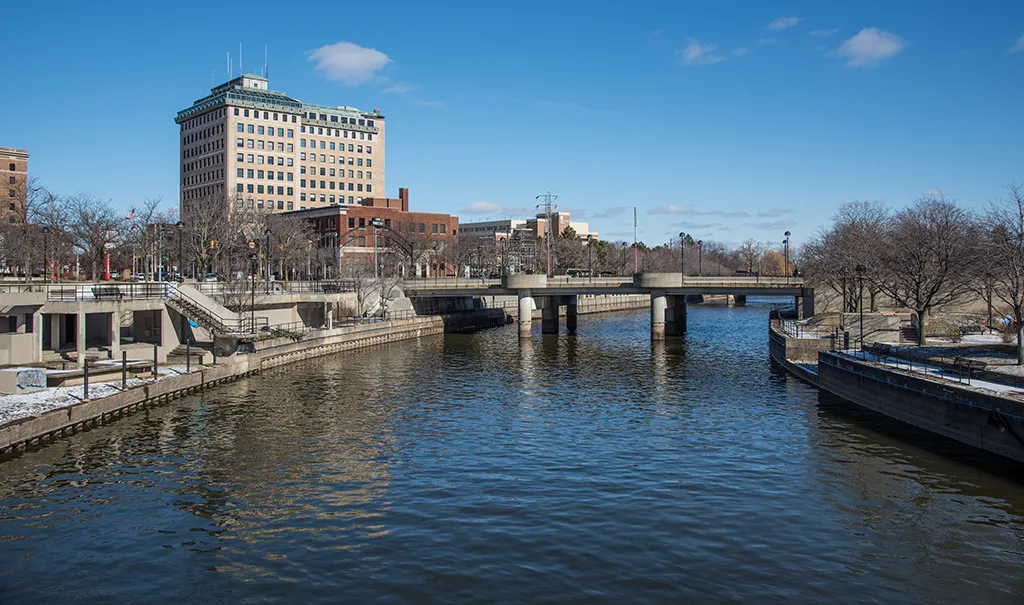 Photo: Flint, Michigan, via esemag.com
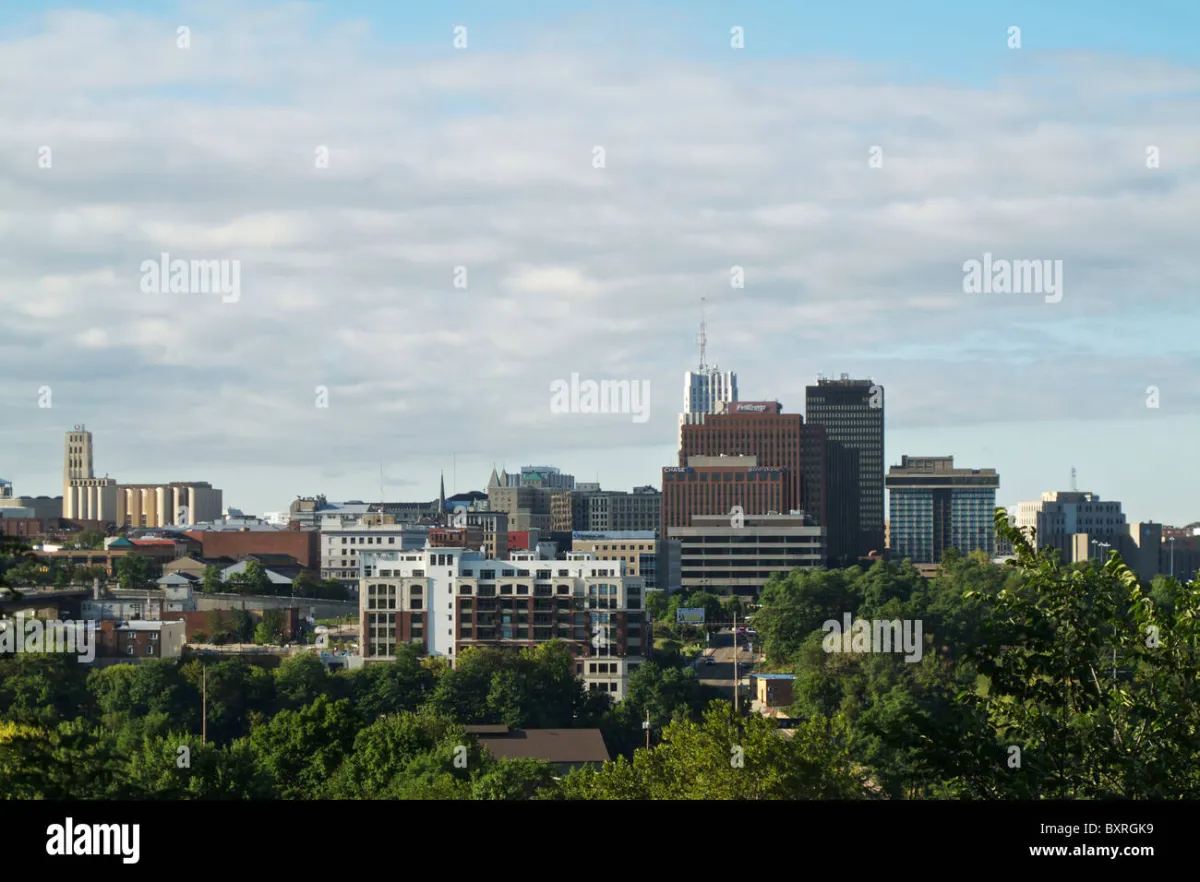 Photo: Akron, Ohio, via c8.alamy.com
The Quiet Revolution Nobody Noticed
Somewhere between 1980 and 2000, American companies made a calculation that would reshape retirement forever. Instead of managing massive pension funds and guaranteeing lifetime payments, they'd give workers individual accounts—401(k)s—and let them figure it out. The shift happened gradually, company by company, often disguised as additional benefits rather than replacements.
The 401(k) had actually been created in 1978 as a supplement to pensions, not a replacement. It was meant to help highly paid executives defer additional income, not serve as the primary retirement vehicle for ordinary Americans. But companies quickly realized they could transfer decades of financial responsibility to their workers with a simple policy change.
By 2010, only 20% of private sector workers had access to traditional pensions, compared to 84% in 1975. The transformation was complete, but most Americans barely noticed until it was too late to change course.
When Everyone Became Their Own Investment Manager
Today's workers don't just need to excel at their jobs—they need to become amateur financial advisors, market analysts, and risk managers. A 35-year-old teacher must decide how to allocate contributions across dozens of investment options, predict market performance over 30 years, and guess how much money she'll need in retirement based on unknowable future healthcare costs and life expectancy.
The average 401(k) balance for Americans approaching retirement is $152,000—enough to generate roughly $600 monthly in retirement income, assuming conservative withdrawal rates. Compare that to the pension a similar worker would have received in 1975: $1,200-$1,500 monthly in today's dollars, guaranteed for life.
Market volatility means retirement security now depends on timing. Workers who retired in 2008 saw their 401(k) accounts devastated by the financial crisis. Those who retired in 2009 never recovered. Meanwhile, workers with traditional pensions sailed through the crisis unaffected—their companies absorbed the losses.
The Math That Doesn't Add Up
The 401(k) system was built on several assumptions that proved wildly optimistic. Planners assumed workers would contribute consistently for 40 years, never touch their accounts early, and achieve 7-8% annual returns. Reality proved different: the average worker changes jobs every four years, often cashing out small balances. Market returns have been lower than projected. And life happened—medical bills, job losses, and family emergencies that required early withdrawals.
Meanwhile, the companies that abandoned pensions didn't struggle with retirement security. They simply transferred that risk to their workers while maintaining the same profit margins. What had once been a shared social responsibility became an individual problem.
The Golden Watch Generation's Last Stand
Drive through any American suburb today and you'll see the remnants of the pension era: comfortable ranch homes owned by retirees who worked single careers at companies that no longer exist. These are the last Americans who will experience true retirement security, supported by monthly checks that arrive regardless of market conditions, political changes, or economic uncertainty.
Their adult children, meanwhile, face a fundamentally different reality. Instead of company promises, they have individual accounts that might be worth $50,000 or $500,000 depending on market performance, contribution discipline, and sheer luck. The guarantee is gone, replaced by a gamble most never agreed to take.
The gold watch still exists, but the promise that came with it has quietly disappeared. In its place sits a 401(k) statement and the hope that somehow, after 40 years of market volatility and life's unexpected turns, there will be enough money to stop working. For the first time in generations, that hope feels more like a prayer than a plan.