Before the Voice Said 'Turn Left': When Getting Lost Was Part of the Journey
Pull out your smartphone today and ask it for directions to anywhere in America. Within seconds, a calm voice will guide you through every turn, warn you about traffic delays, and even suggest alternate routes. You'll arrive exactly where you intended, having seen exactly what you expected. This predictable precision would have amazed American travelers just thirty years ago, who approached every journey with equal parts excitement and uncertainty.
The Art of Paper Navigation
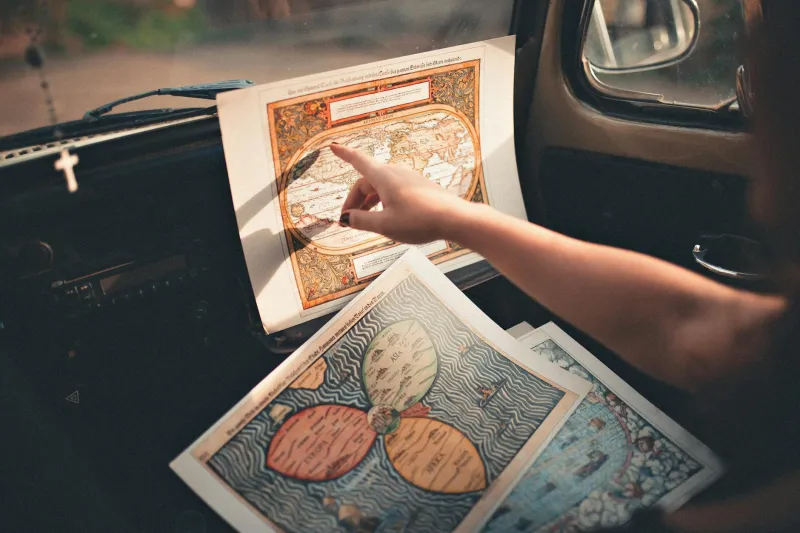
Before GPS satellites tracked every mile, American families planned road trips around kitchen tables covered with unfolded maps. These massive paper documents, creased from years of use, turned navigation into a collaborative art form. Someone had to serve as navigator, tracing routes with their finger while the driver focused on the road ahead.
Rand McNally road atlases lived in glove compartments across America, their pages dog-eared and coffee-stained from countless journeys. State tourism offices mailed free highway maps to anyone who requested them, and gas stations gave them away as customer service. Collecting maps from different states became a hobby for some travelers, each one representing potential adventures waiting to unfold.
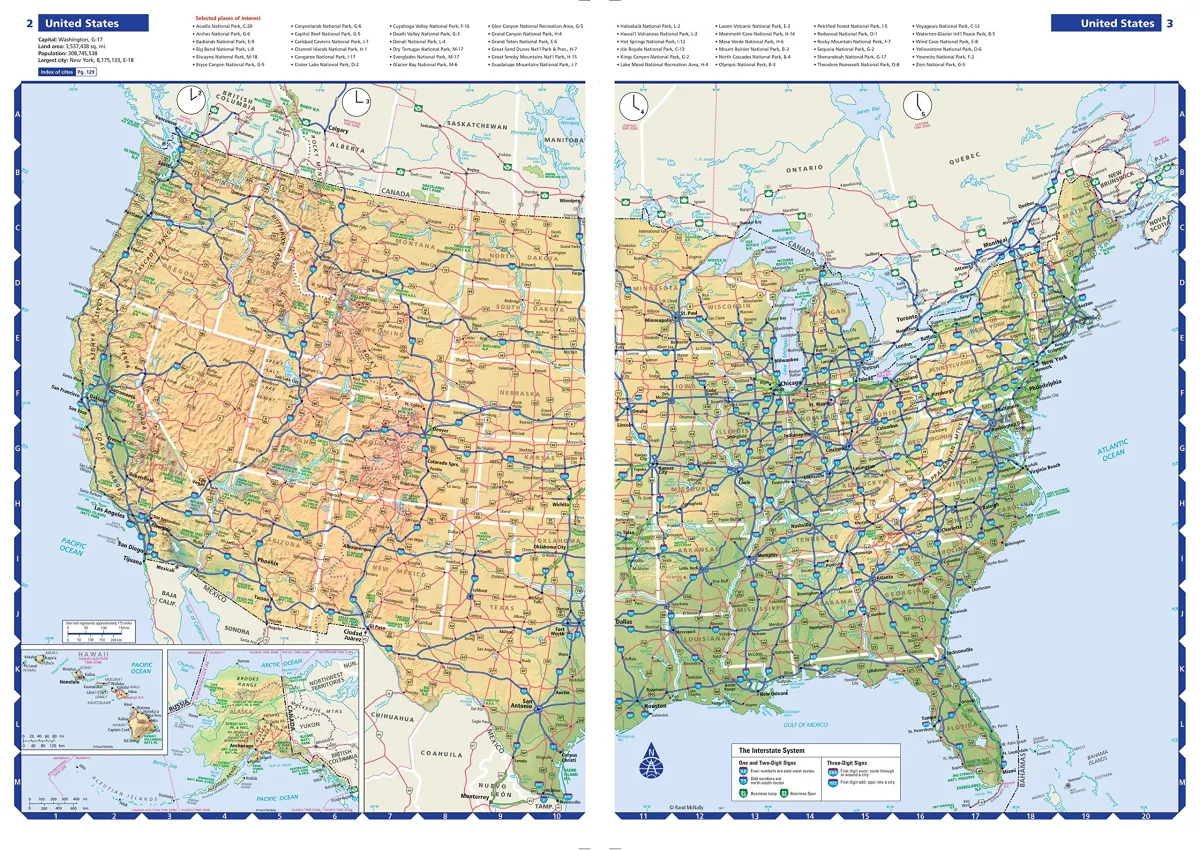 Photo: Rand McNally, via www.macappsworld.com
Planning a cross-country drive meant studying these maps for hours, identifying interesting stops and calculating distances between destinations. Families would spread maps across living room floors, plotting routes that balanced efficiency with curiosity. The journey began long before anyone got in the car.
When Directions Came From Strangers
Getting directions required human interaction. Gas station attendants didn't just pump fuel—they served as local navigation experts, sketching routes on napkins and sharing insider knowledge about road conditions, construction delays, and scenic alternatives. These conversations often revealed hidden attractions that no guidebook mentioned.
"Take the second right after the big red barn, then follow that road until you see the water tower," became typical navigation instructions. Landmarks mattered more than street names. Directions relied on local knowledge passed from person to person, creating a network of informal travel guidance that connected strangers across America.
Restaurant waitresses, hotel clerks, and shop owners all participated in this system. They took pride in helping travelers navigate their communities, often recommending favorite local spots that weren't marked on any map. These interactions transformed navigation from a technical challenge into a social experience.
The Adventure of Uncertainty
Getting lost wasn't a catastrophe—it was an expected part of travel that often led to the best discoveries. Families would find themselves in small towns they'd never heard of, eating at diners that served the best pie in three counties. Wrong turns revealed scenic overlooks, historic sites, and quirky roadside attractions that became the most memorable parts of any trip.
This uncertainty created a different relationship with time and distance. Travelers built buffer time into their schedules, knowing that detours and discoveries were part of the journey. The phrase "We're not lost, we're exploring" became a family road trip motto that reflected a more relaxed approach to navigation.
Children learned geography through direct experience rather than digital displays. They watched landscapes change through car windows, understanding how mountains gave way to plains and cities transitioned to countryside. Navigation required attention to the physical world in ways that modern GPS systems have largely eliminated.
The Social Network of Travel
Before cell phones provided instant communication, travelers relied on each other for help and information. Truck stops and rest areas buzzed with conversations between strangers sharing road conditions, weather updates, and recommendations. CB radios connected drivers across hundreds of miles, creating a mobile community of mutual assistance.
Motels and hotels served as information hubs where travelers gathered maps, brochures, and advice from desk clerks who knew every attraction within a hundred miles. These interactions often led to friendships that lasted long after trips ended. The shared experience of navigation created bonds between people who might never meet again but helped each other reach their destinations.
AAA (American Automobile Association) trip planning services provided personalized route maps and guidebooks for members, but even these professional resources couldn't predict every road closure, detour, or local event that might affect travel plans. Flexibility remained essential for any successful journey.
 Photo: American Automobile Association, via www.dupaco.com
Technology's Gradual Takeover
The transition from paper maps to digital navigation happened gradually. Early GPS units appeared in luxury cars during the 1990s, but they were expensive, unreliable, and often led drivers down roads that no longer existed. Many travelers carried both GPS devices and paper maps, using technology as a backup rather than a primary navigation tool.
MapQuest revolutionized trip planning by allowing people to print turn-by-turn directions from their computers. This seemed miraculous compared to hand-drawn maps, but printed directions still required human interpretation and couldn't adapt to changing conditions. Getting lost remained a real possibility.
Smartphone GPS apps finally solved the navigation puzzle by combining real-time location tracking with constantly updated map data. Google Maps, Apple Maps, and Waze transformed every phone into a sophisticated navigation system that could recalculate routes instantly and warn about traffic delays.
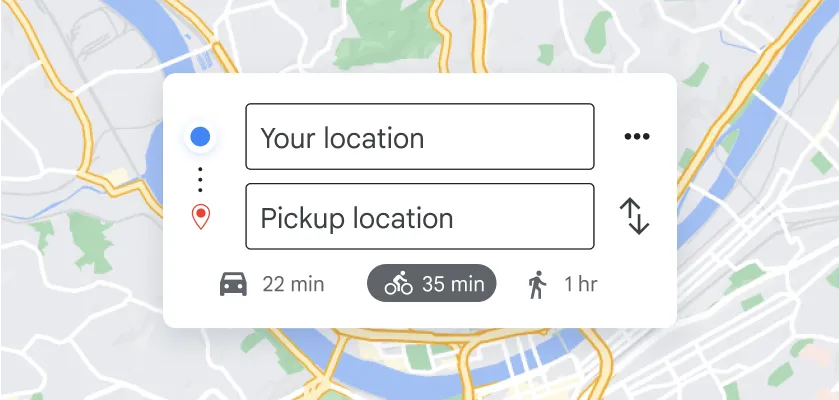 Photo: Google Maps, via lh3.googleusercontent.com
What We Lost in Translation
Modern navigation systems have eliminated most travel uncertainty, but they've also reduced the serendipity that made road trips memorable. GPS routes optimize for efficiency rather than interest, guiding travelers along highways that bypass the small towns and scenic routes that once defined American road culture.
The death of paper maps has also eliminated the spatial understanding that came from studying large-scale geography. Modern travelers follow turn-by-turn directions without understanding where they are in relation to surrounding areas. This has created a generation of drivers who can reach any destination but couldn't find their way home without digital assistance.
Local knowledge has become less valuable as travelers rely on algorithmic recommendations rather than human advice. Gas station attendants no longer serve as navigation experts, and the informal network of travel assistance that once connected American communities has largely disappeared.
The Persistence of Adventure
Some modern travelers deliberately seek the uncertainty that once defined all road trips. They turn off GPS systems, buy paper maps, and plan routes that prioritize discovery over efficiency. This "analog travel" movement reflects a desire to recapture the adventure and human connection that digital navigation has eliminated.
National parks and remote areas still require traditional navigation skills, as GPS signals fade and cell towers disappear. These environments preserve the challenge and reward of finding your way through landscape reading and map interpretation.
Finding Our Way Forward
The efficiency of modern navigation systems has made travel more accessible and less stressful for millions of Americans. Families can explore distant destinations without fear of getting hopelessly lost, and business travelers can reach appointments with confidence.
But perhaps the most valuable journeys still require some uncertainty, some willingness to take wrong turns and discover unexpected places. The voice that says "turn left" can guide us to our destinations, but it can't lead us to the adventures that happen when we choose to turn right instead.
The folded maps in our glove compartments may be obsolete, but the spirit of exploration they represented—the willingness to get lost in order to find something new—remains as valuable as ever in our precisely navigated world.